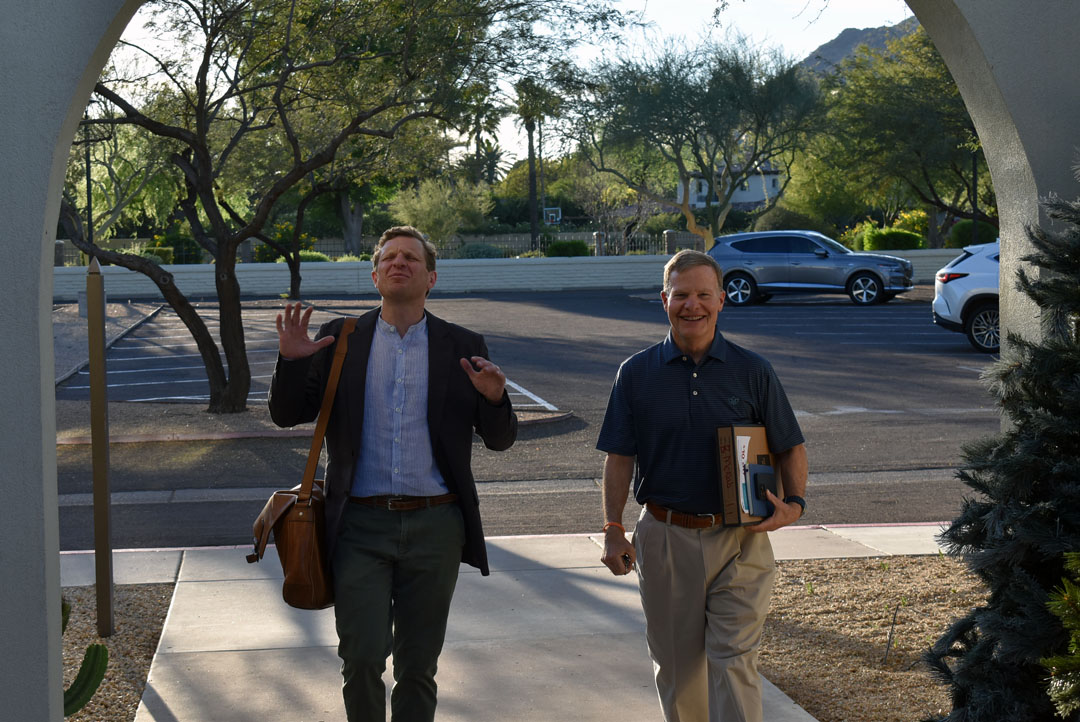
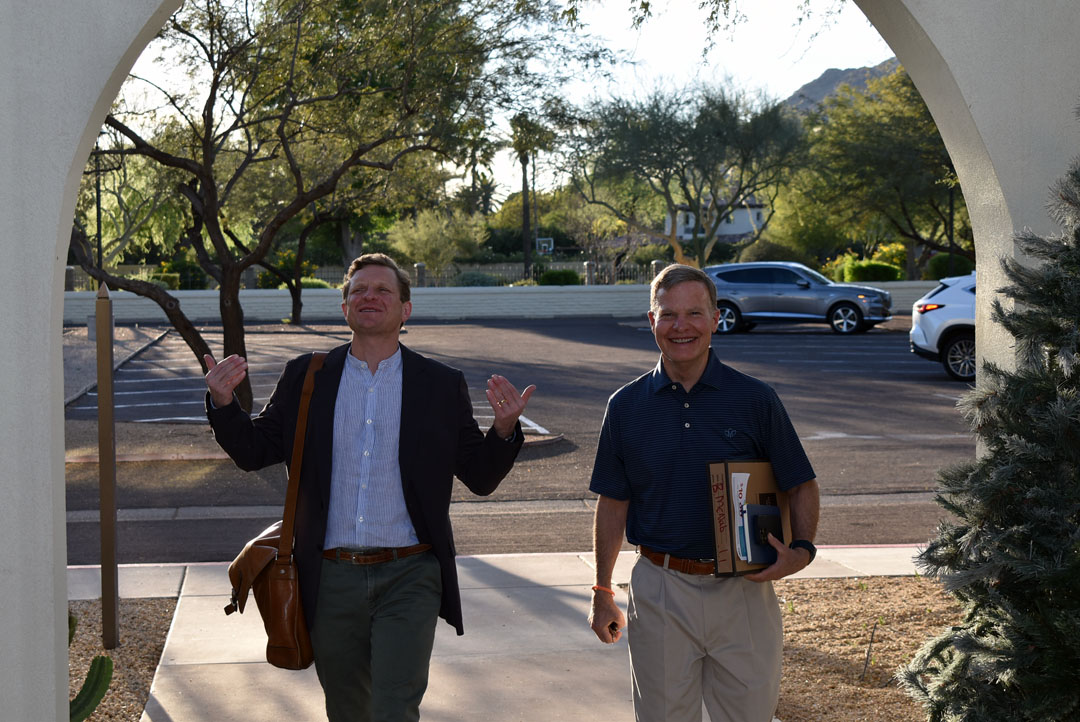
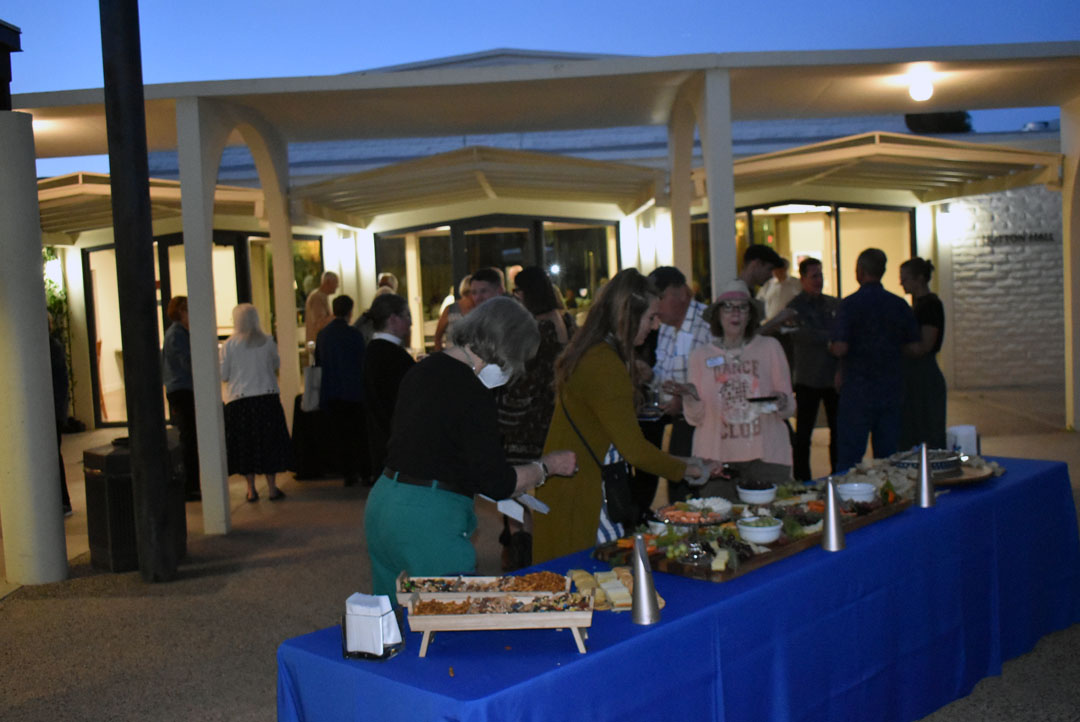
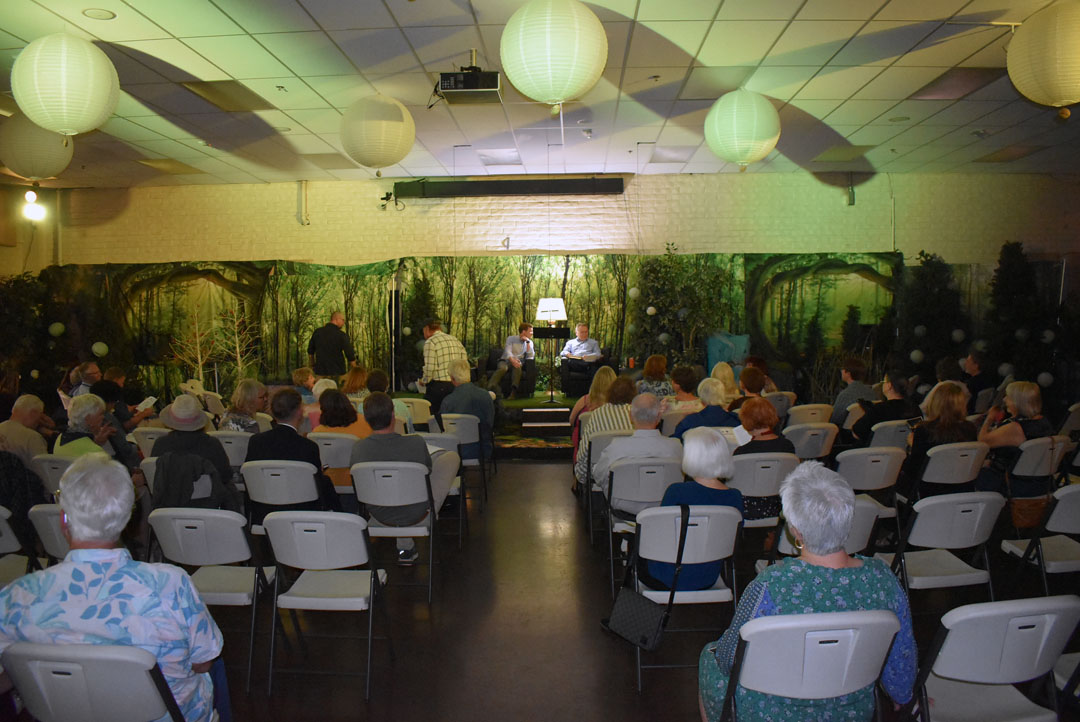
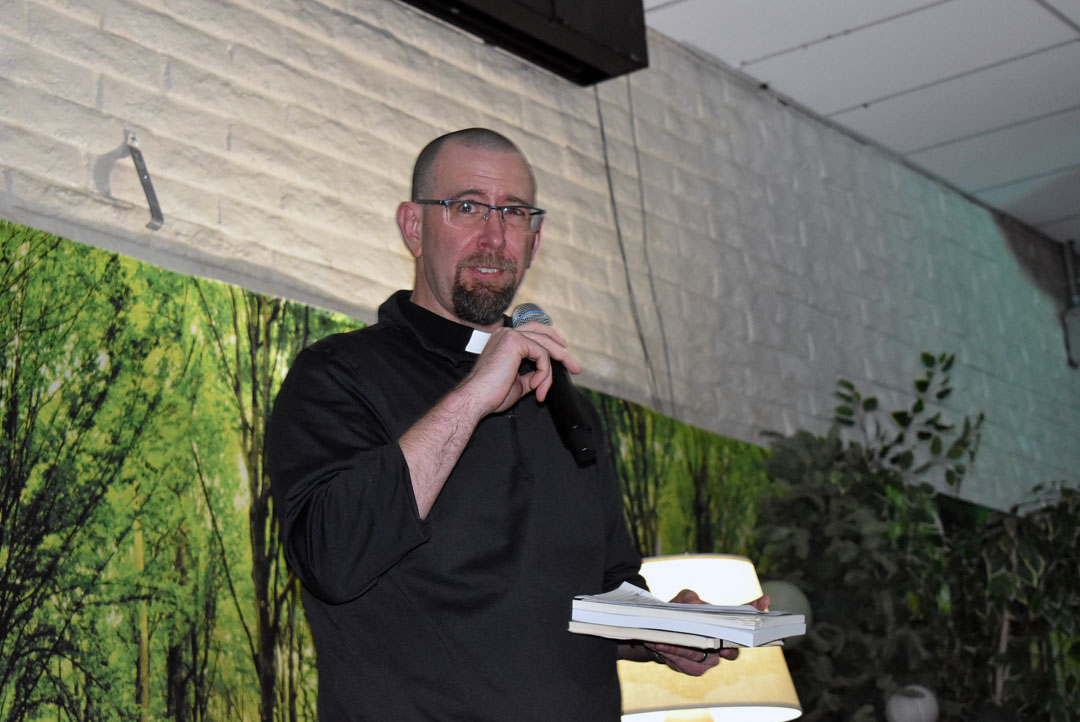
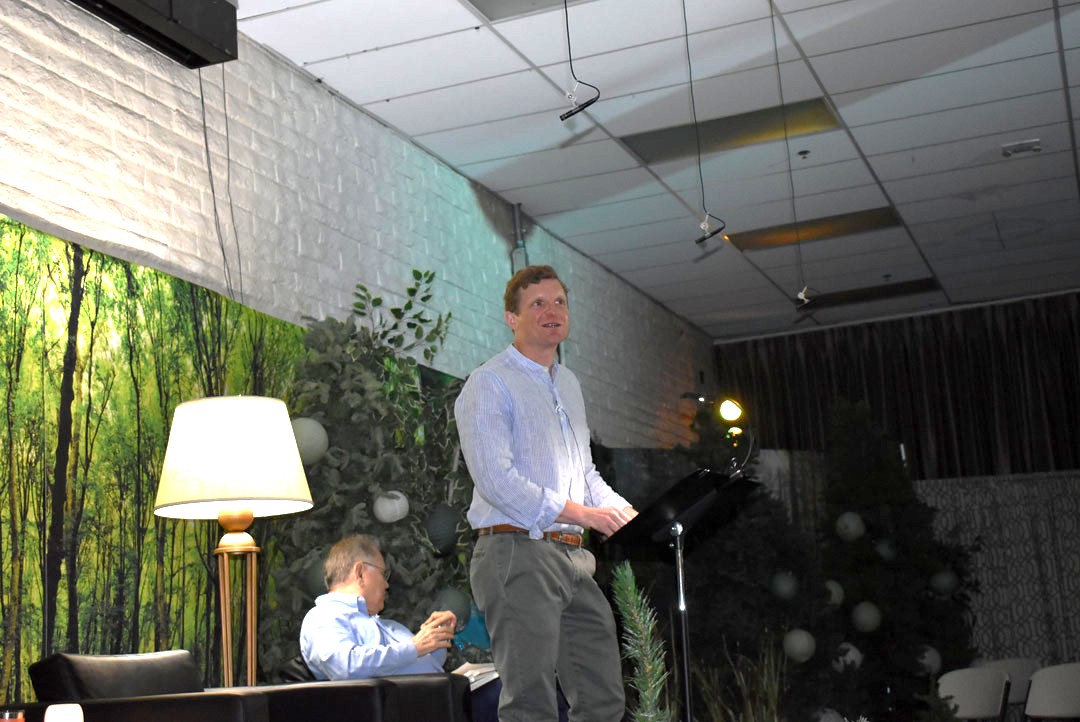
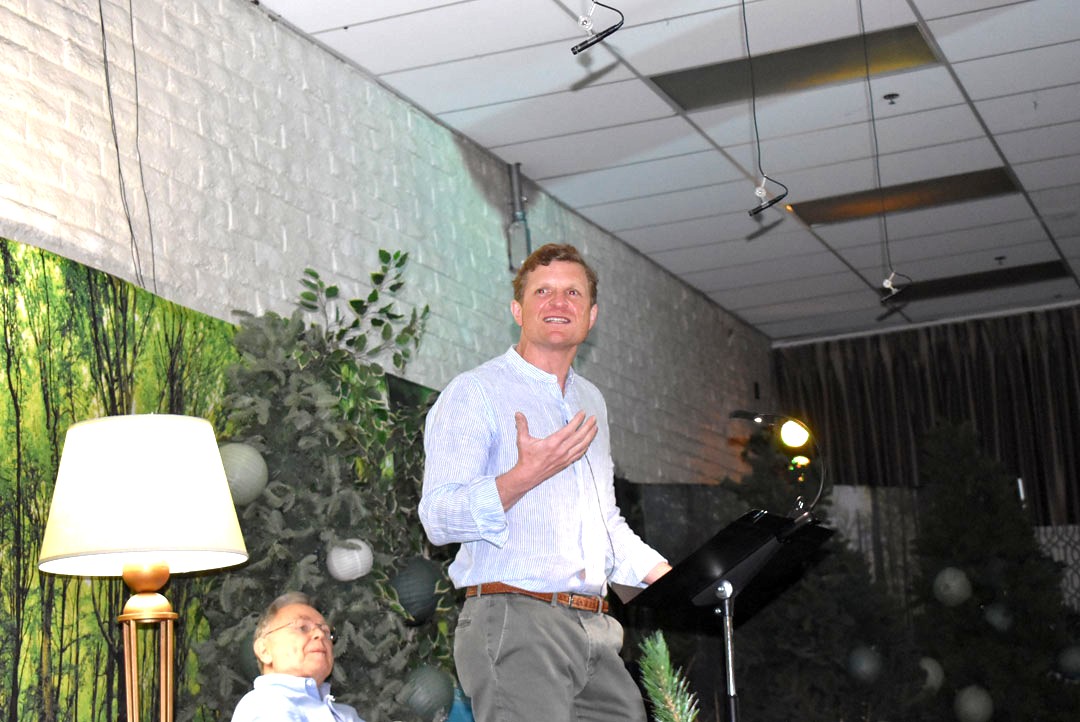
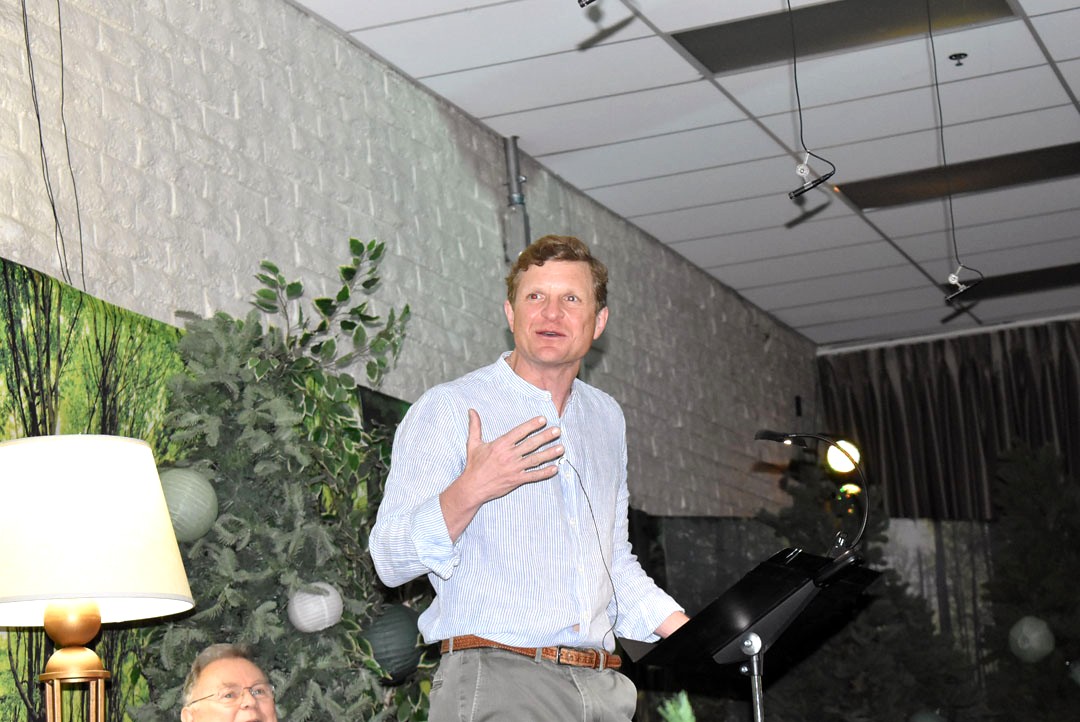
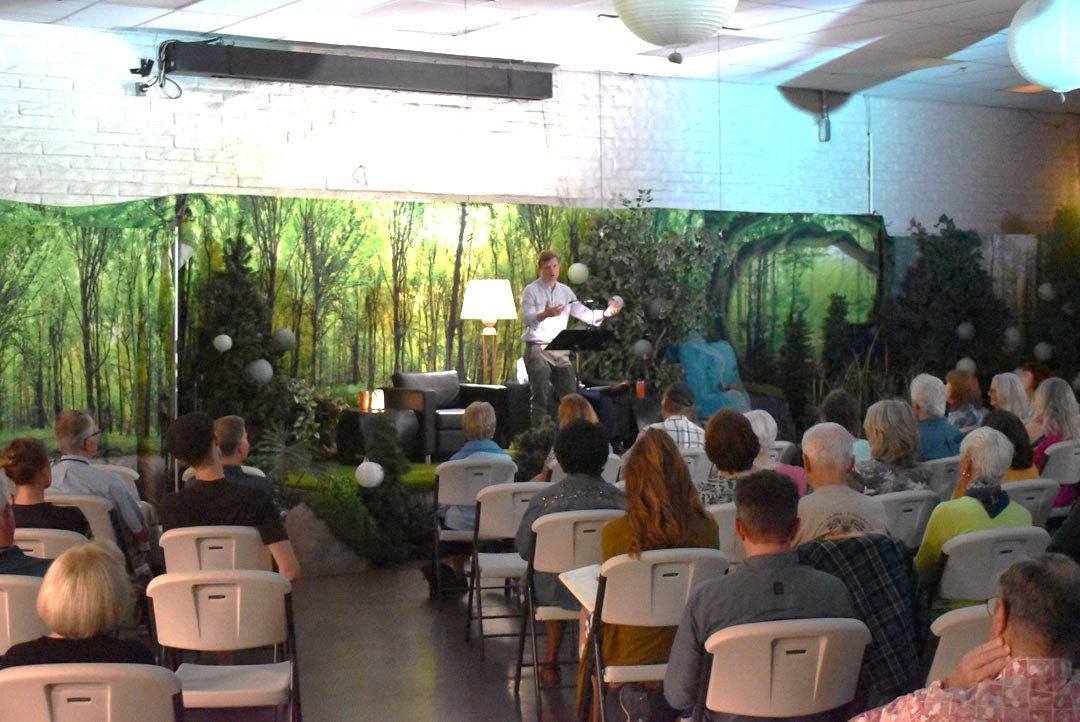
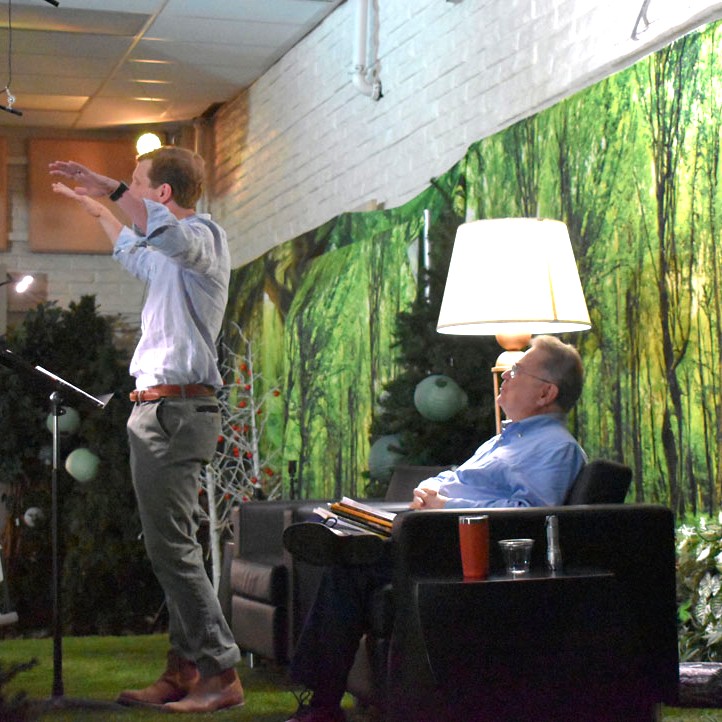
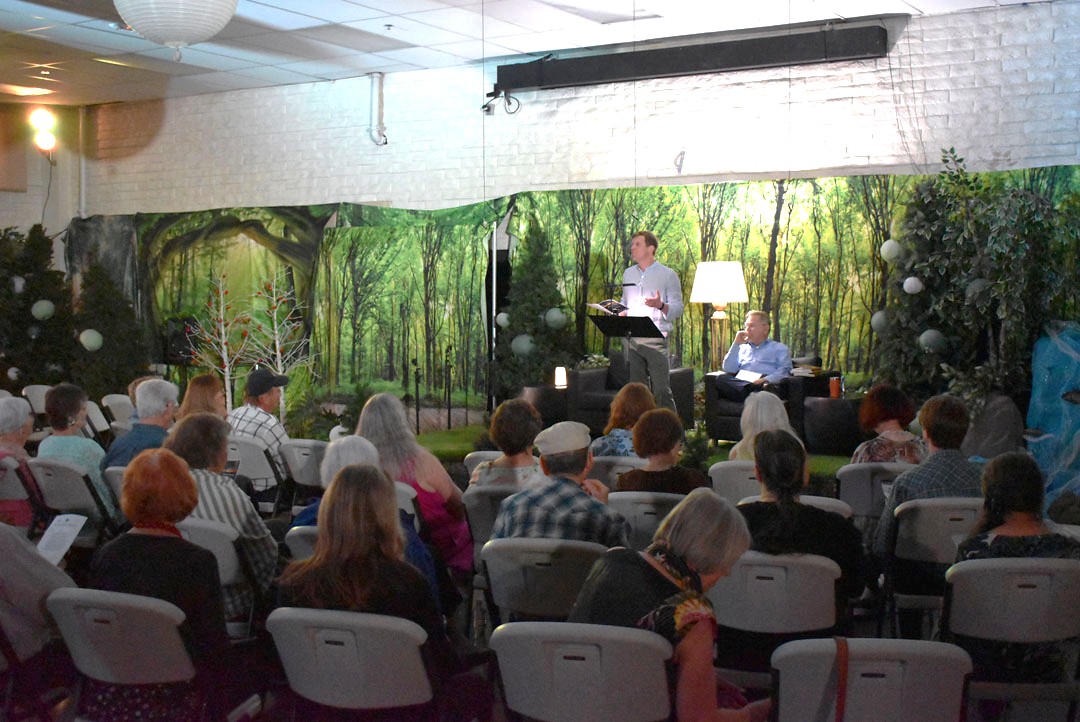
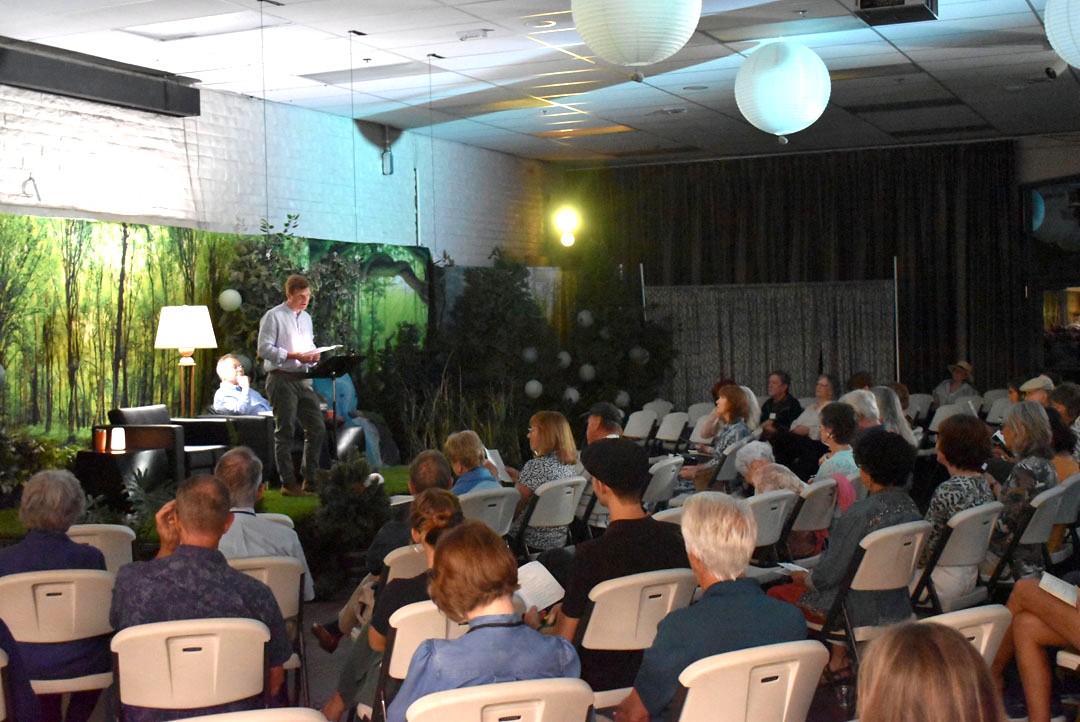
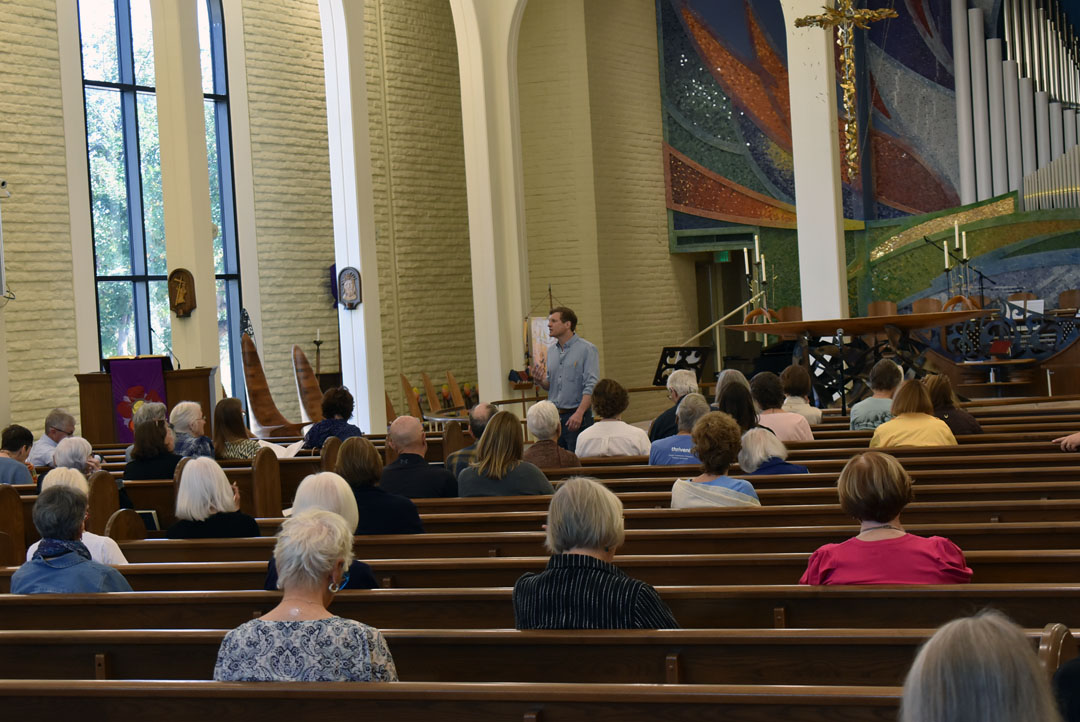
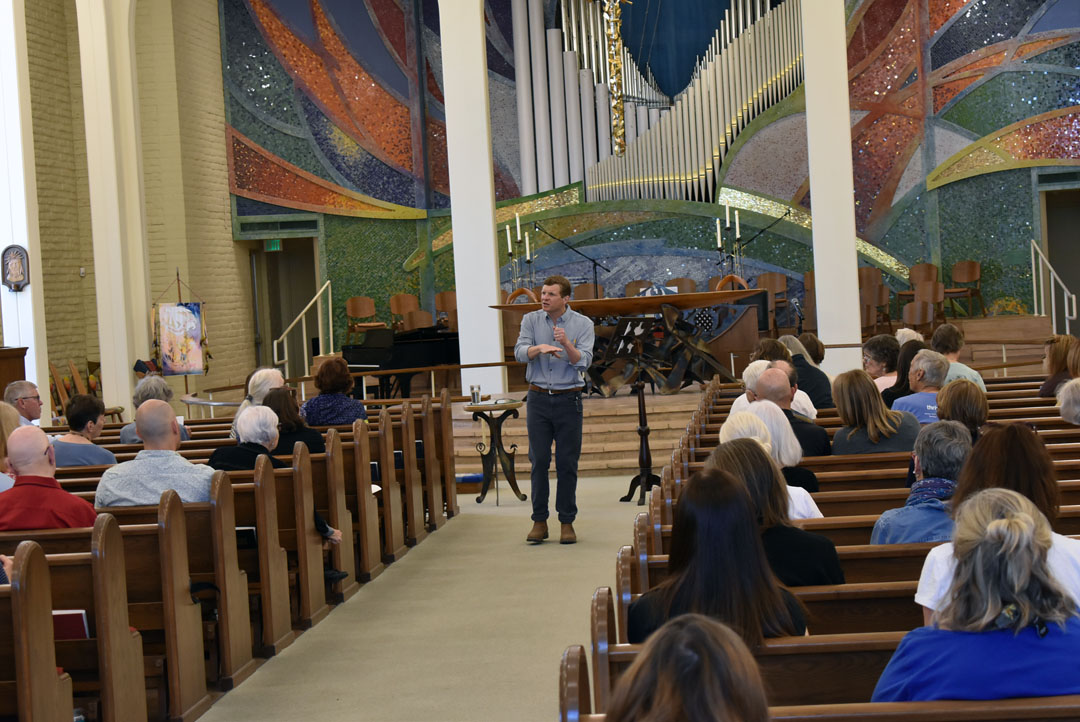
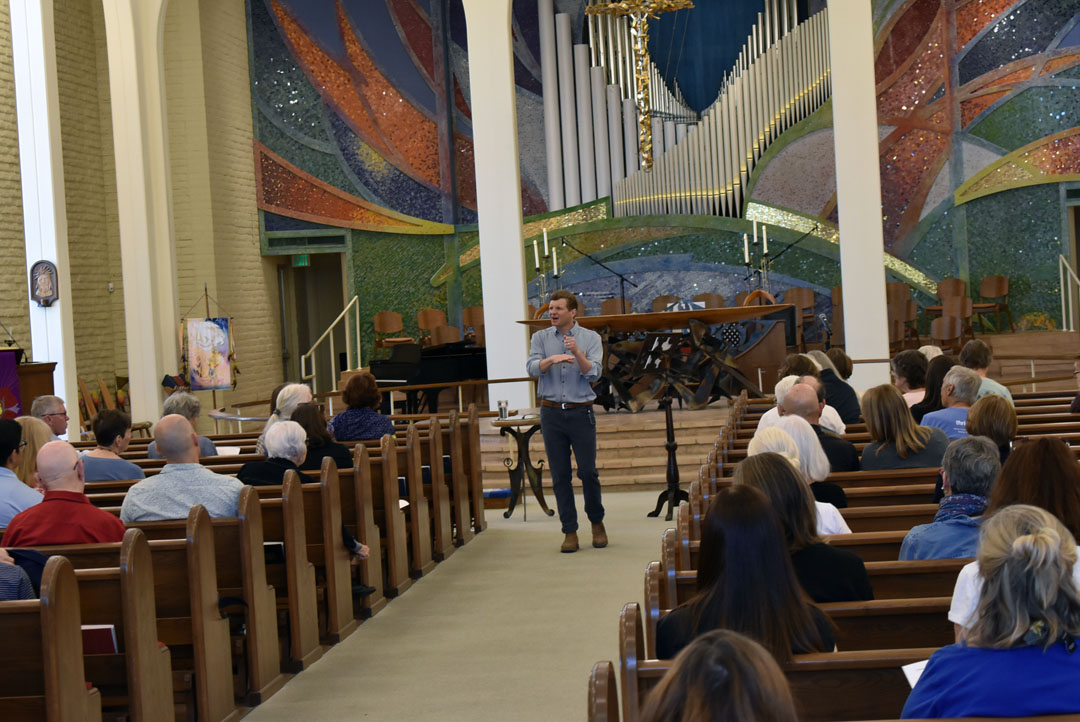
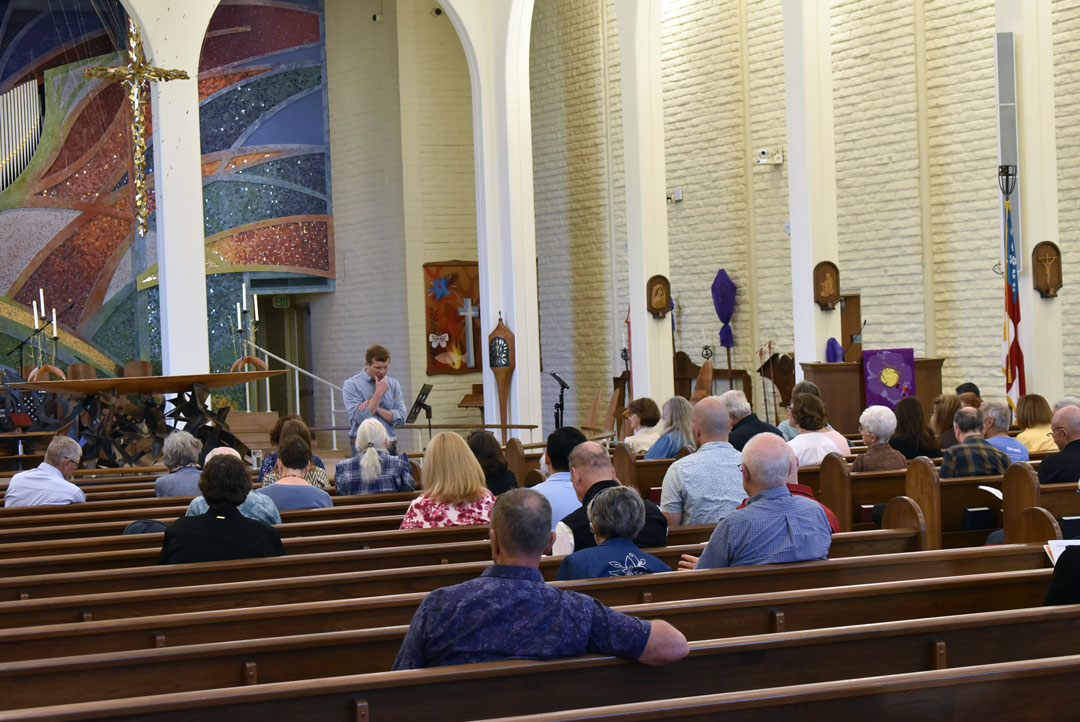
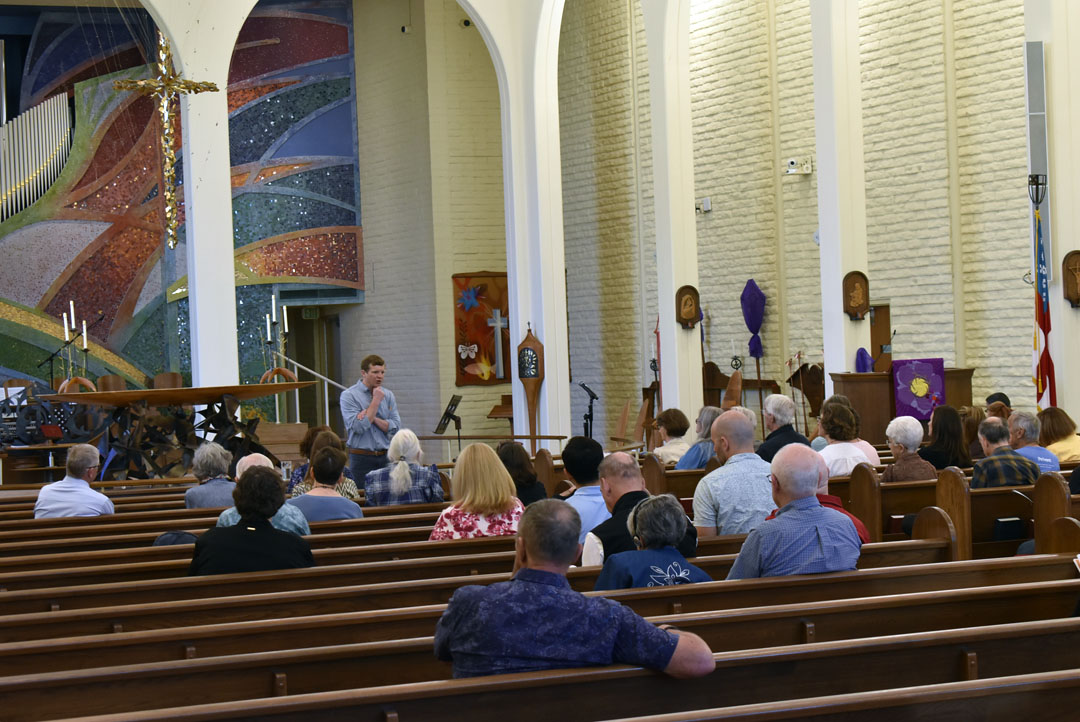
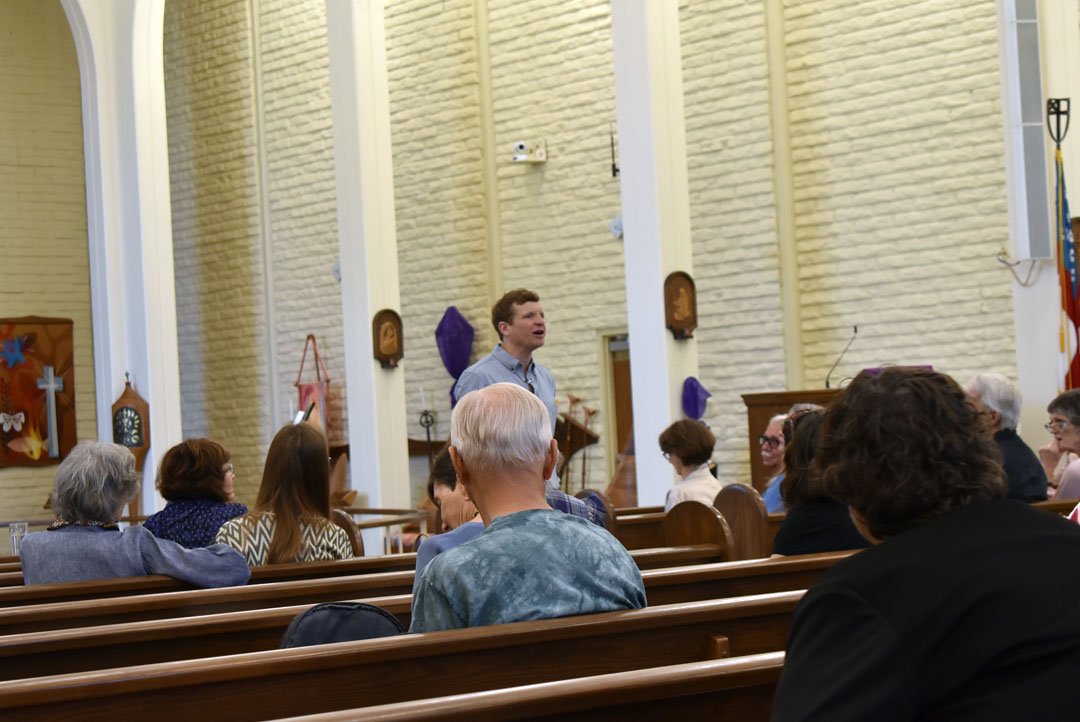
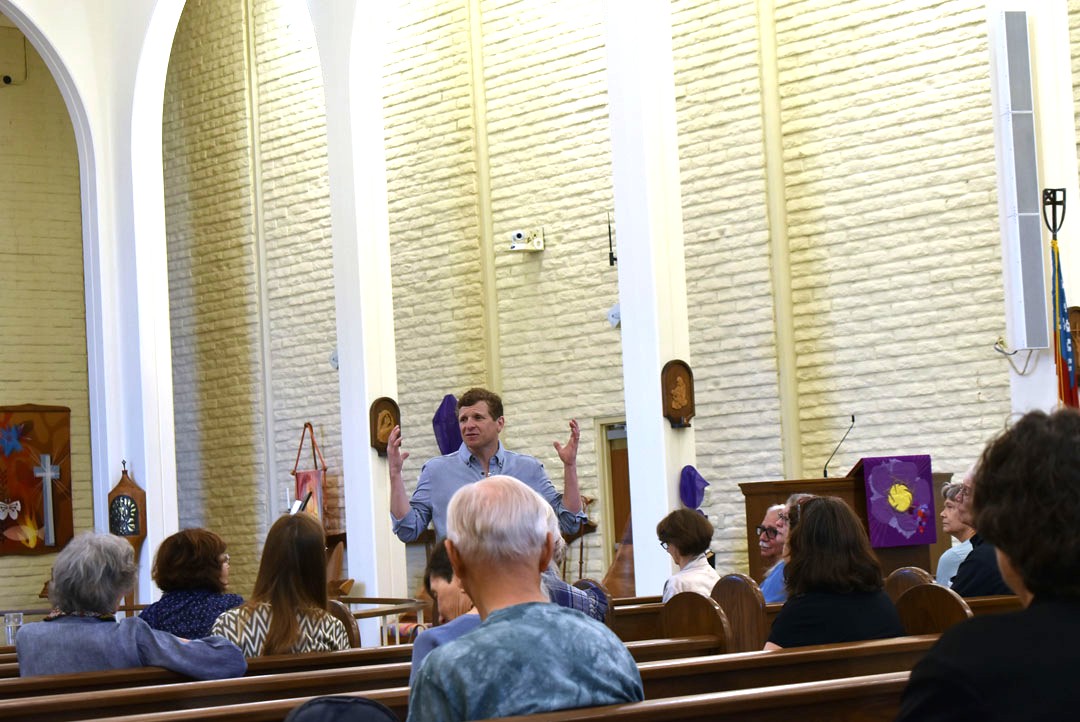
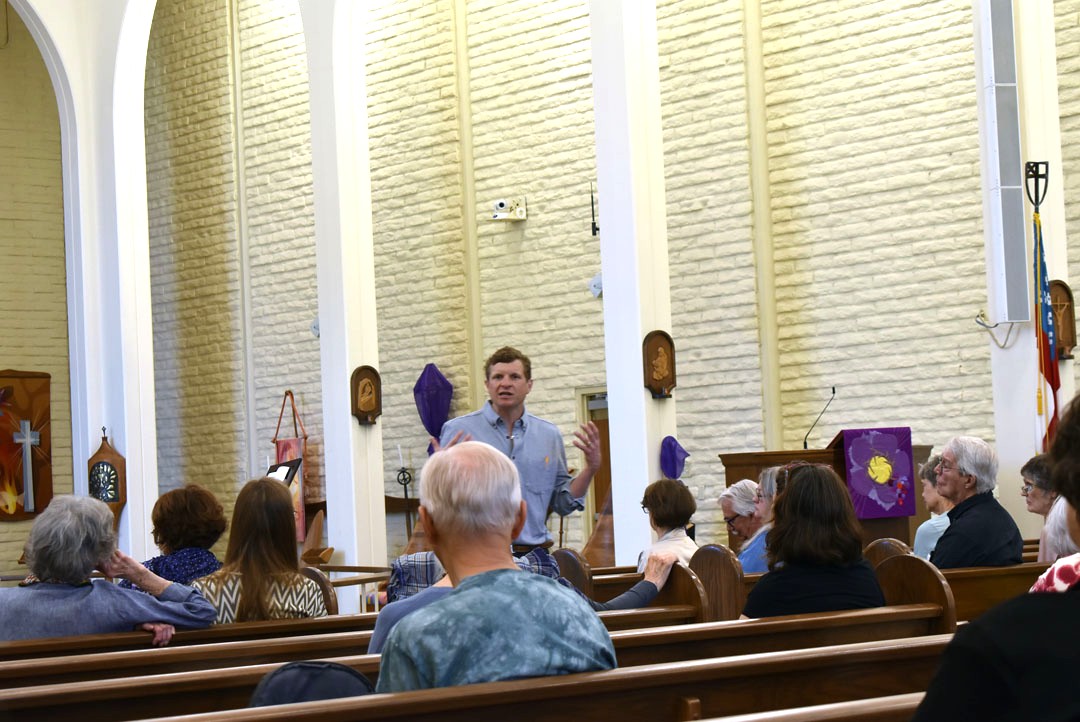
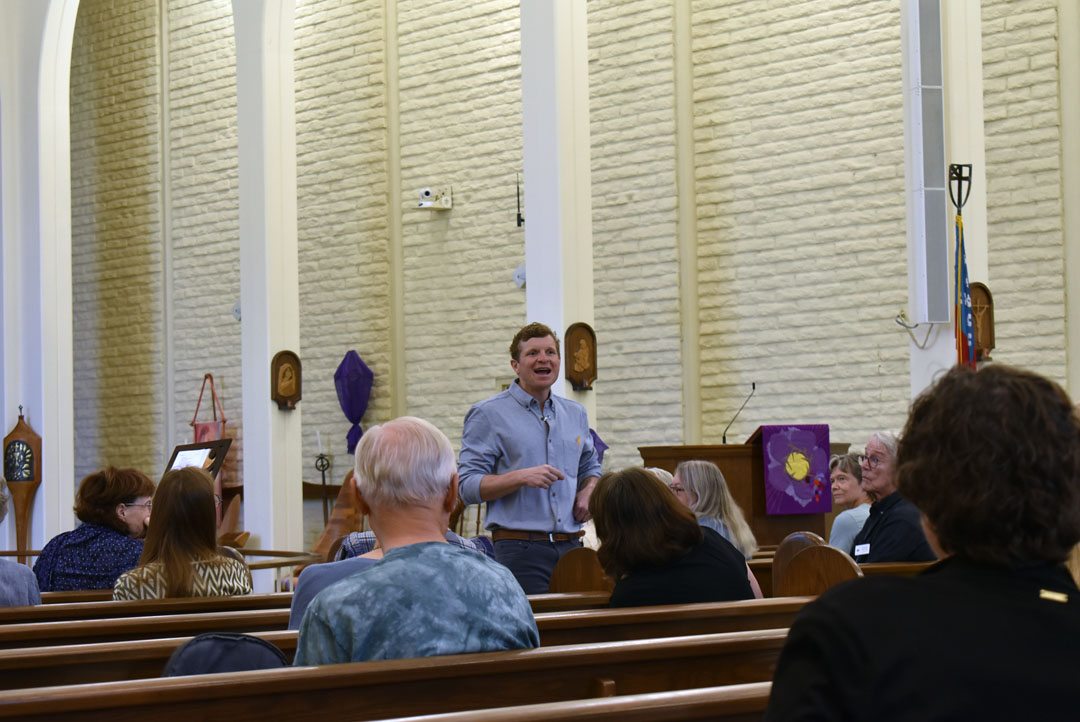
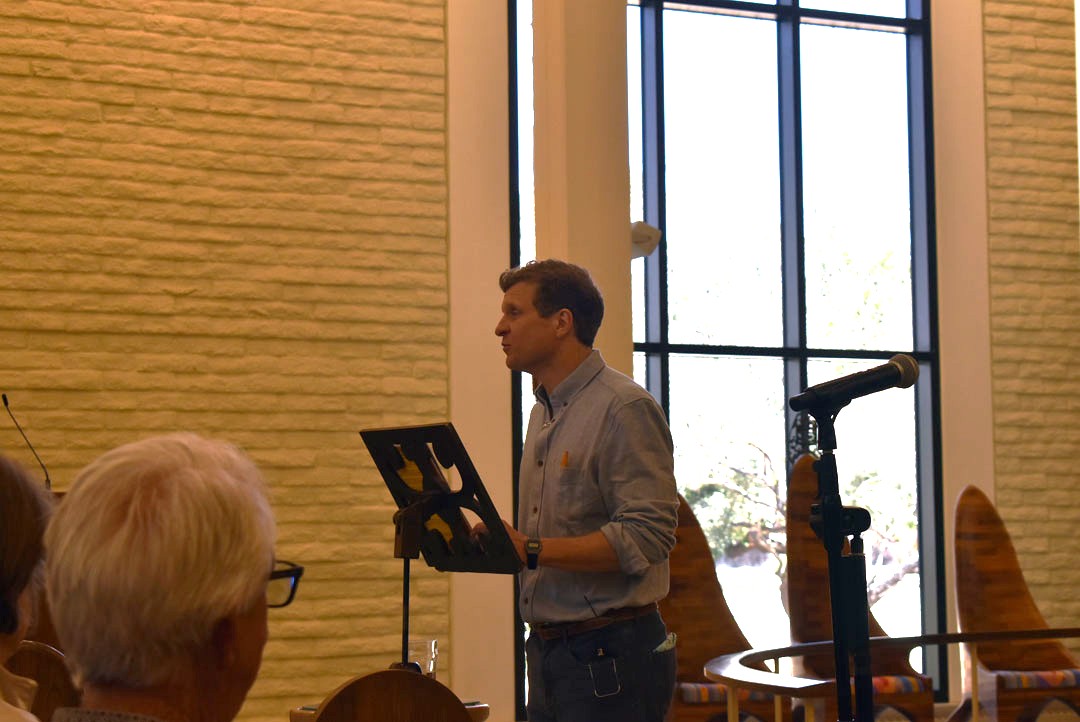
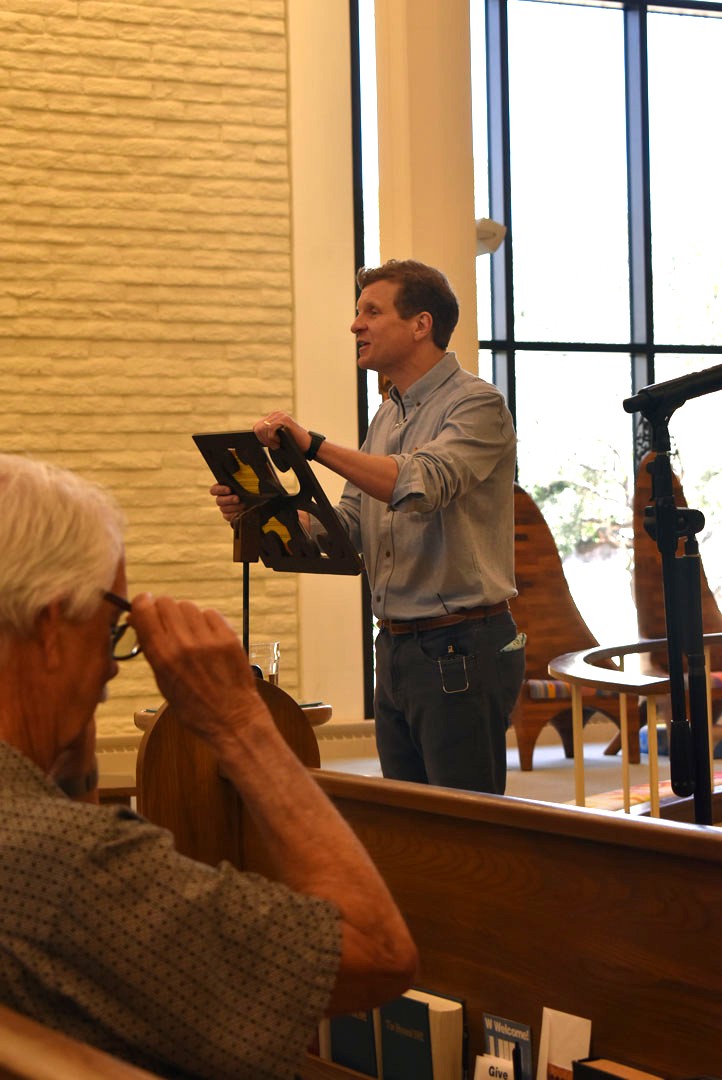
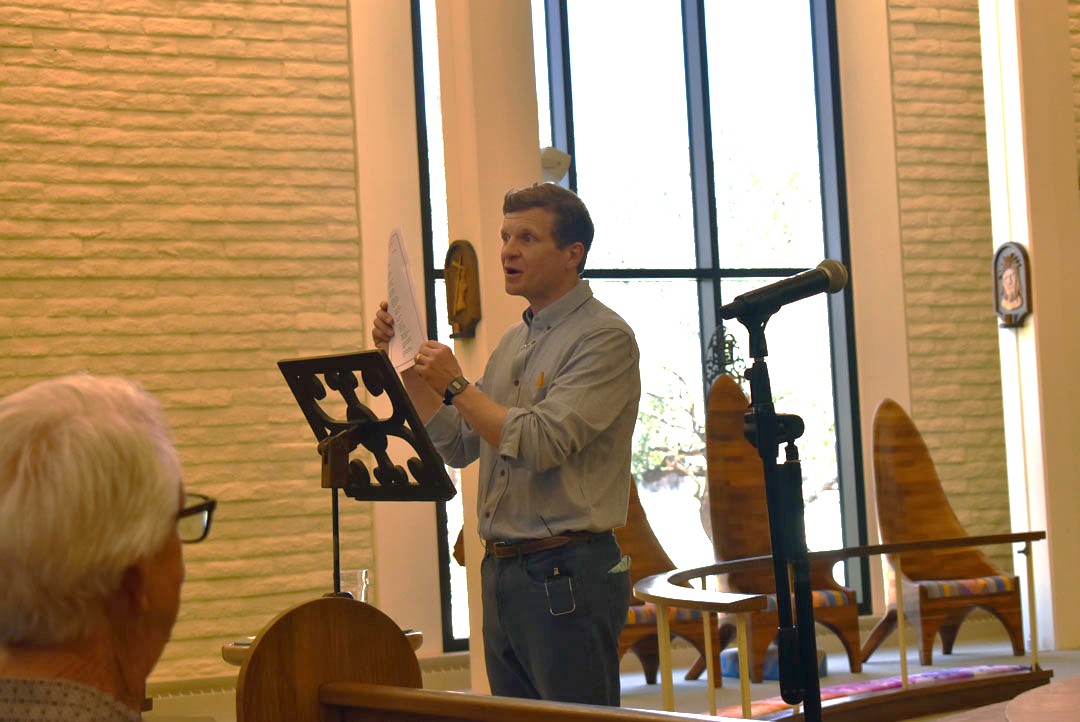
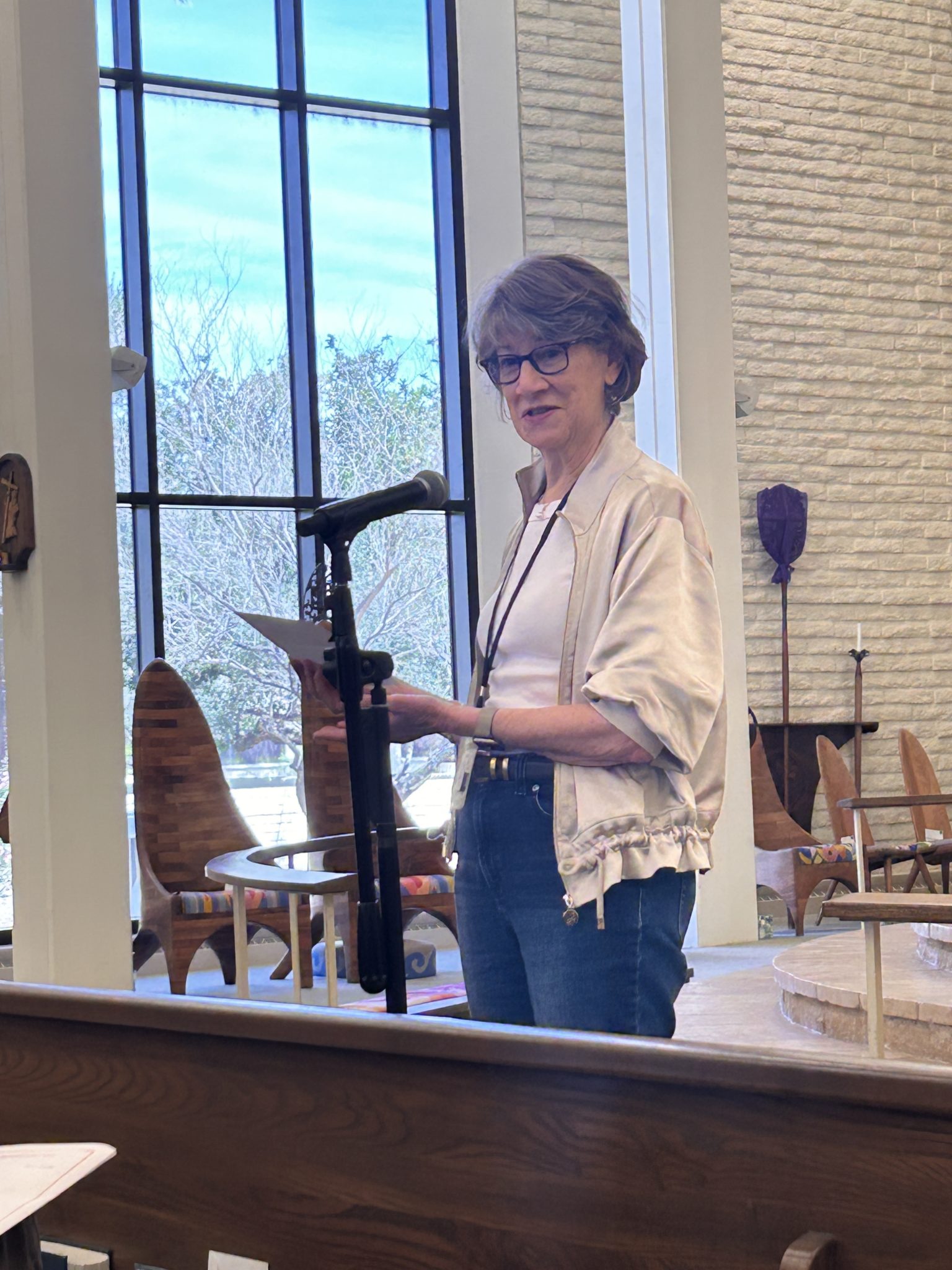
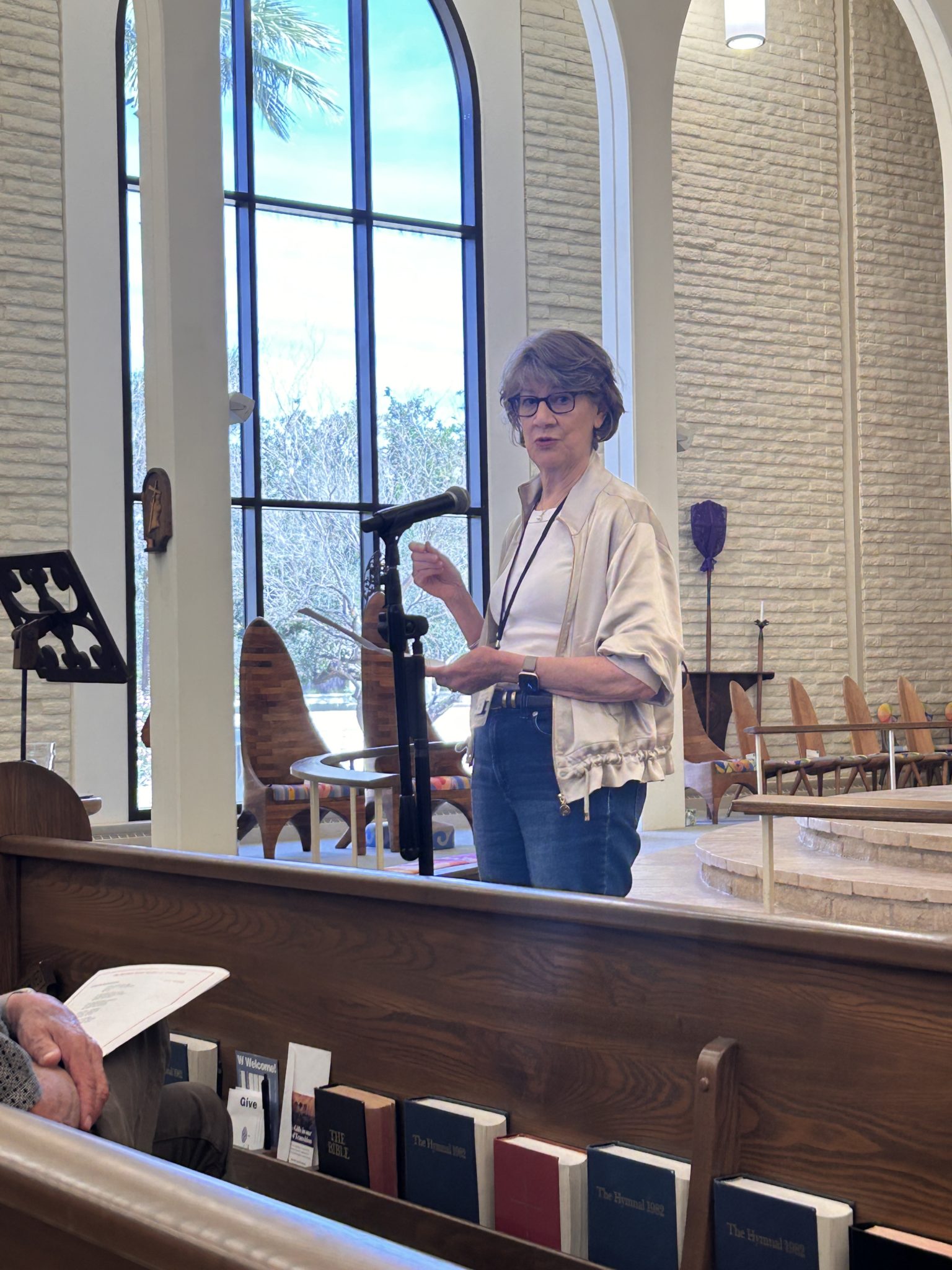
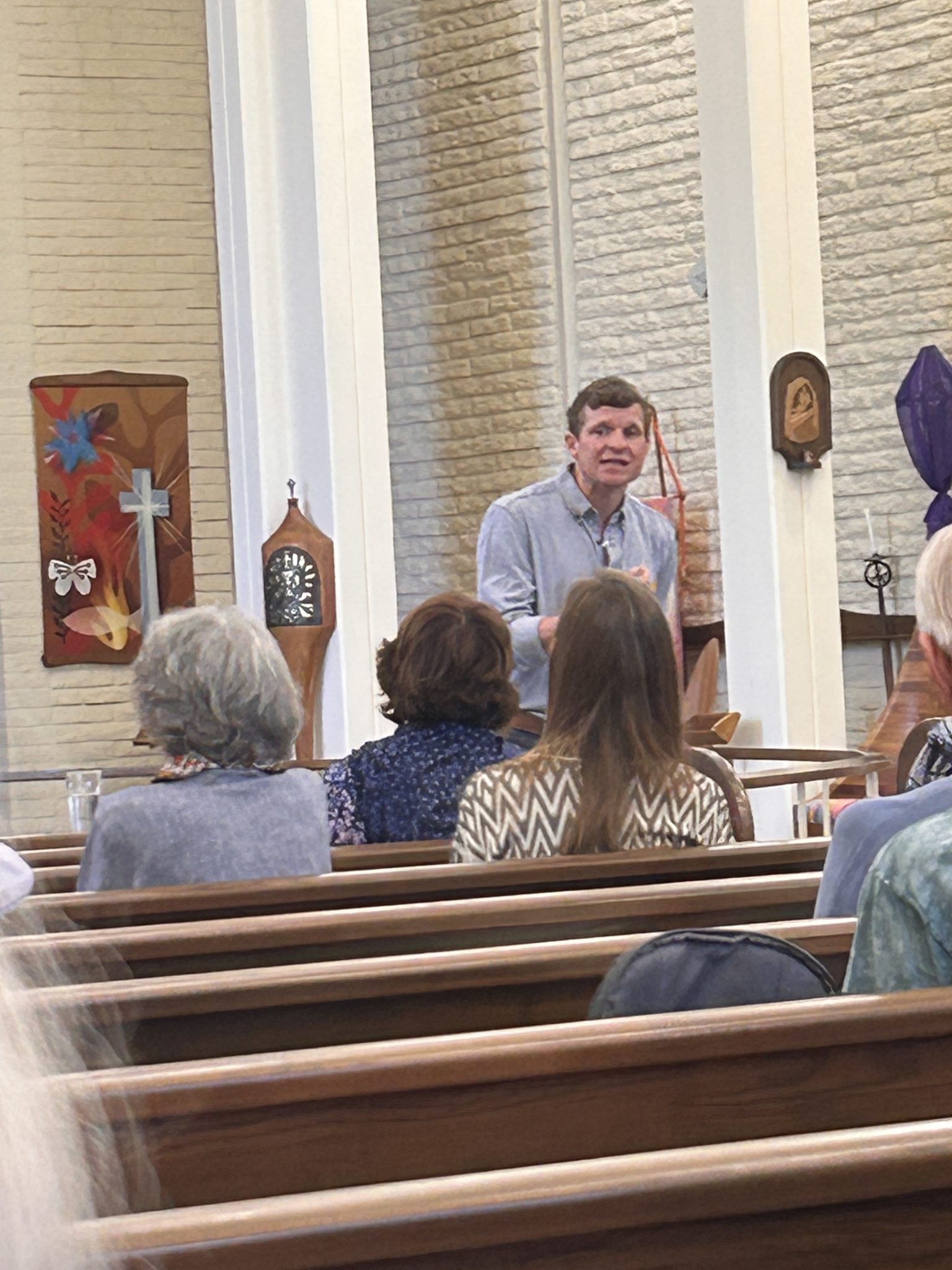
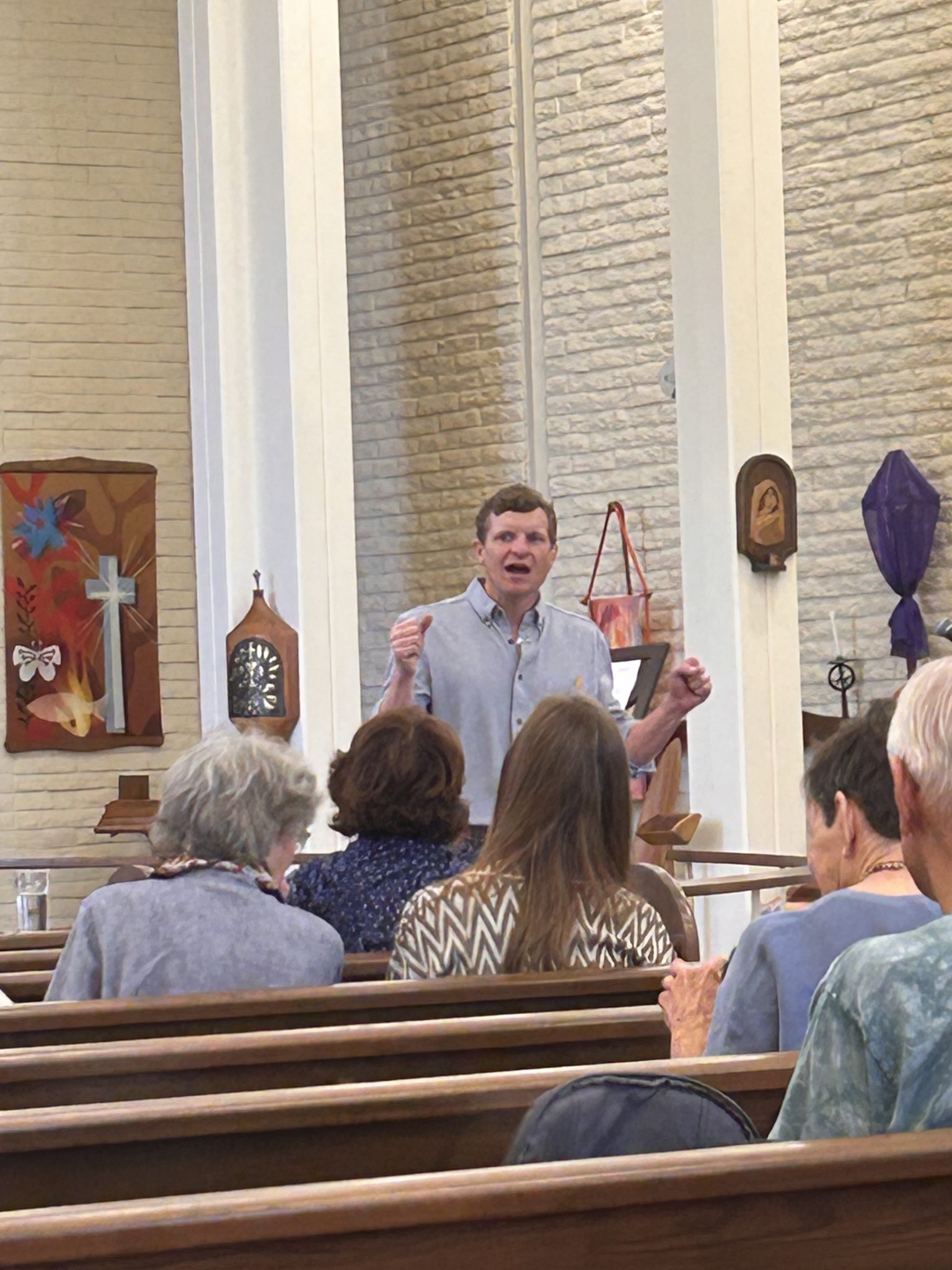
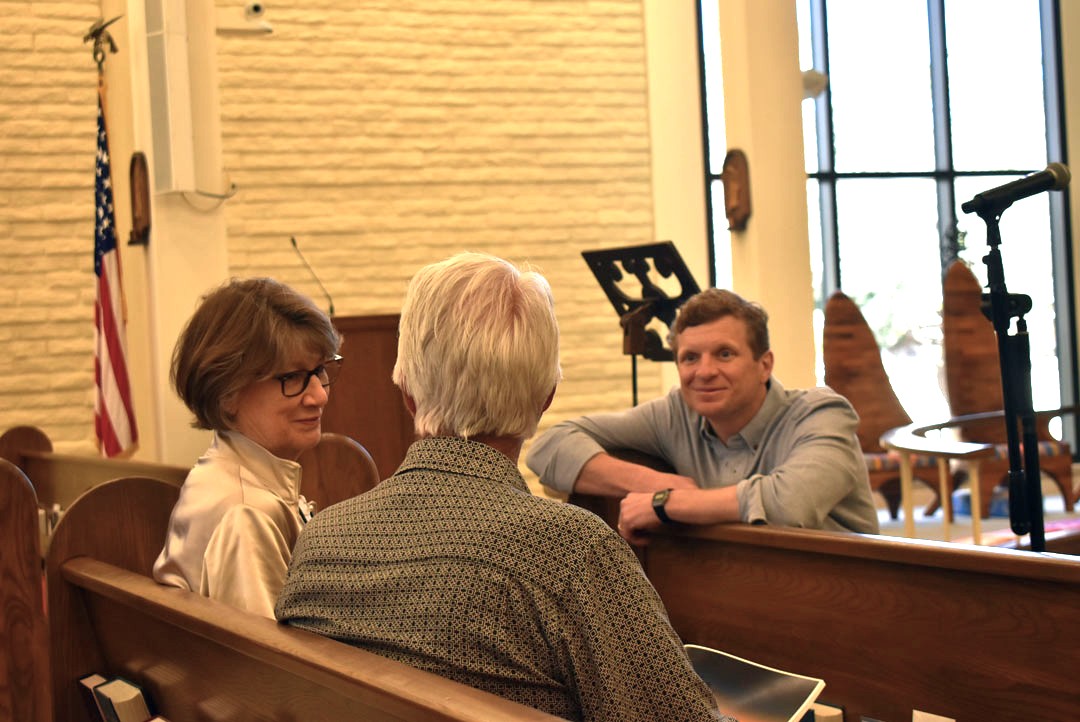
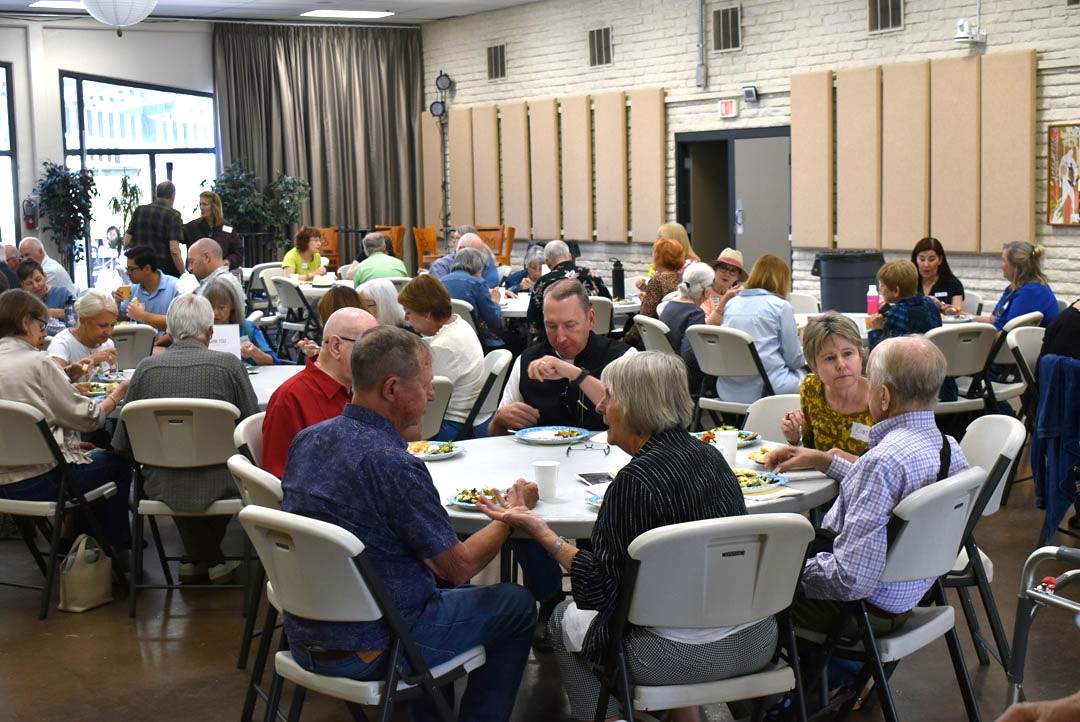
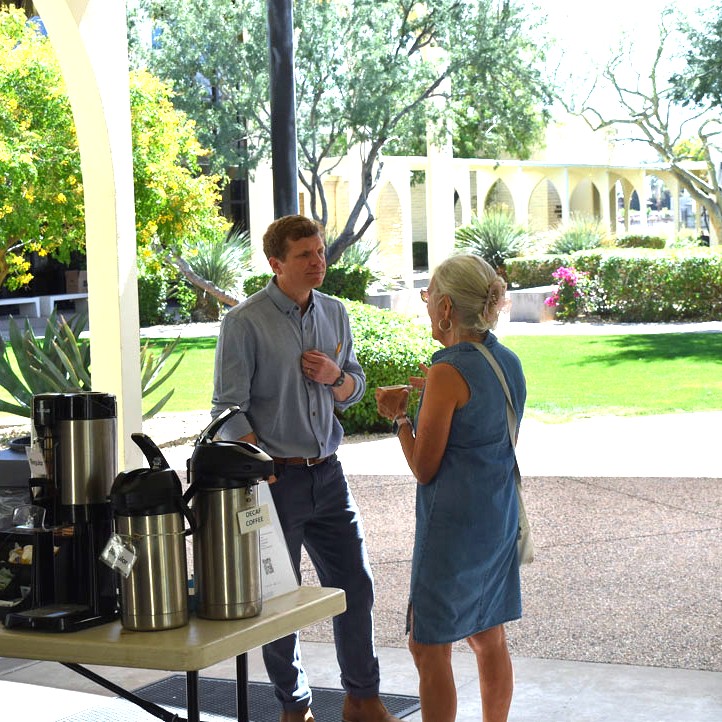
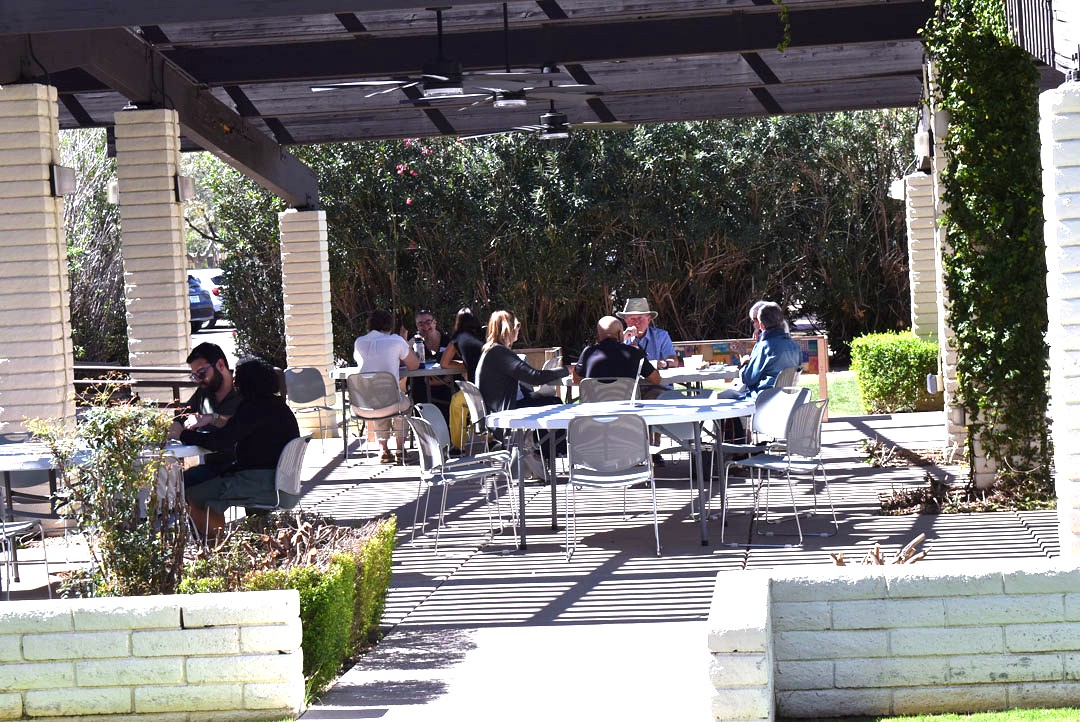
Our recent gathering, The Art of Attention: Cultivating Wonder as a Spiritual Practice, led by poet, Rev. Travis Helms, invited participants into an experience of poetry not merely as literature, but as a way of seeing. This weekend event became a celebration of language—of the subtle power words hold to awaken awareness and deepen our relationship with the world around us.
Reflections from The Art of Attention Retreat
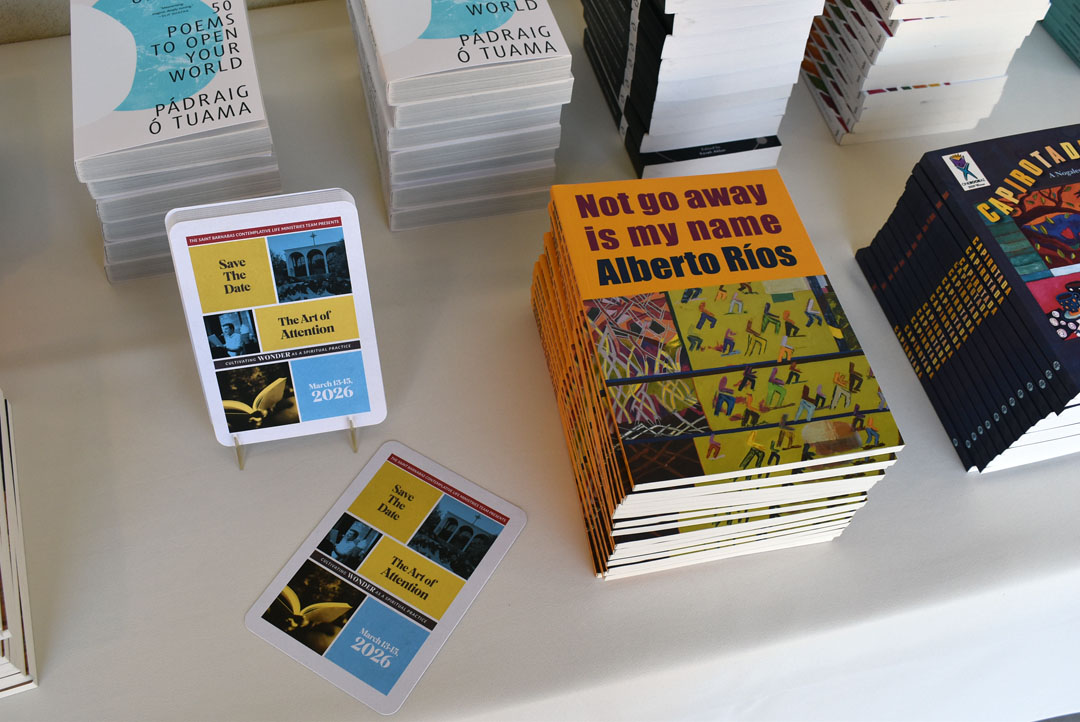
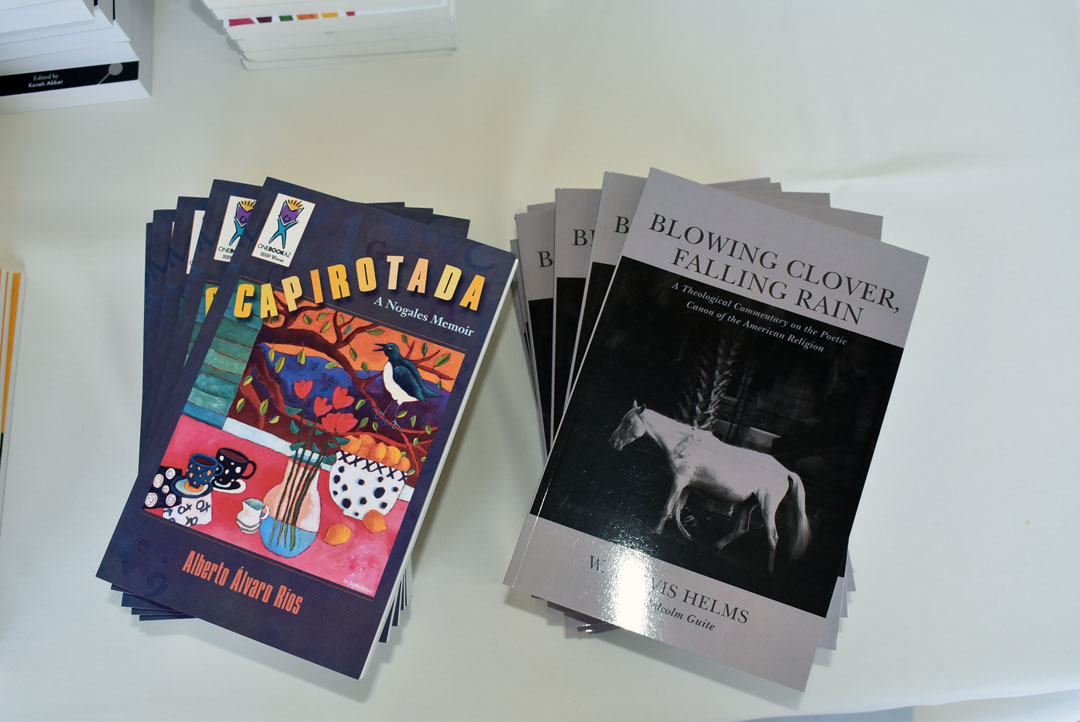
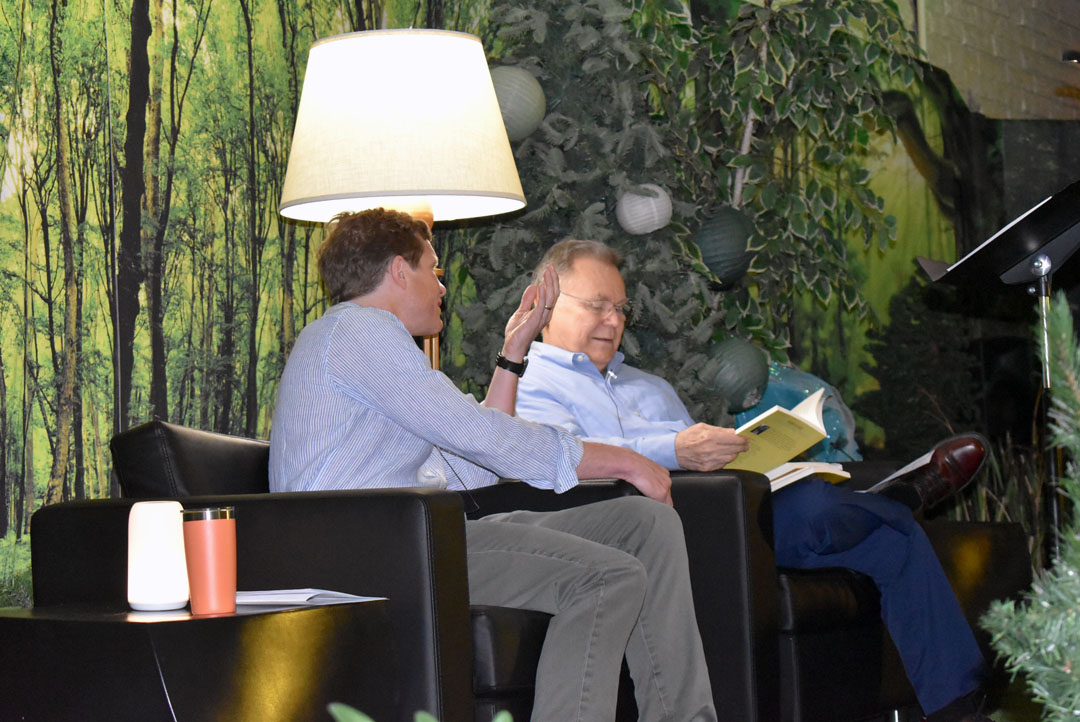
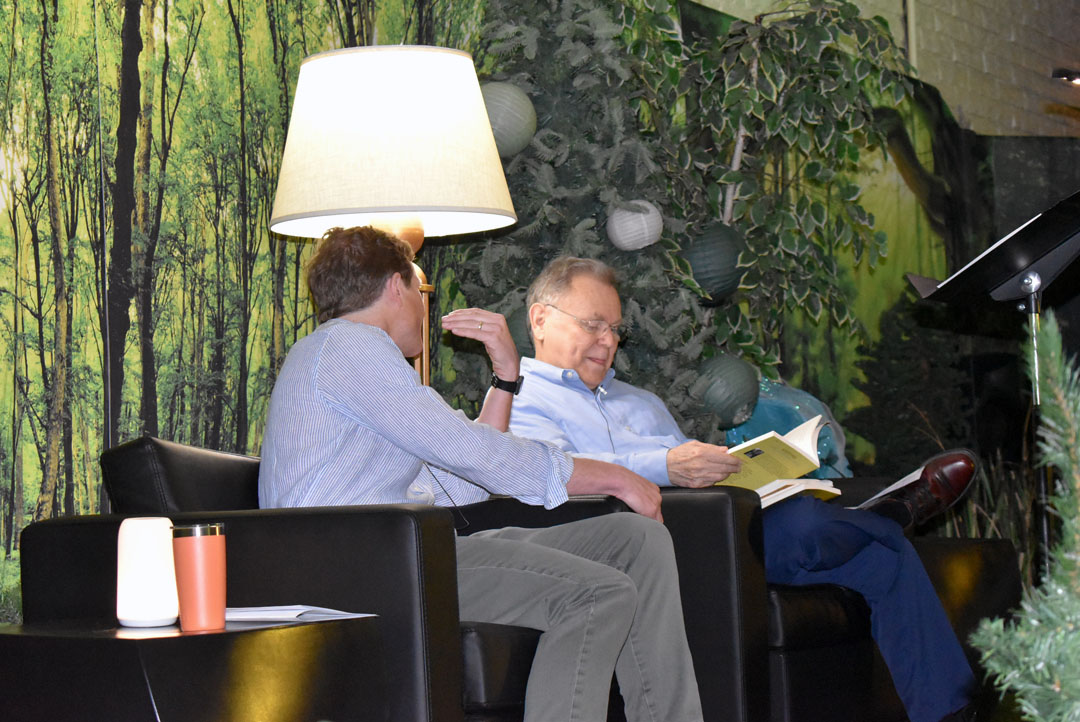
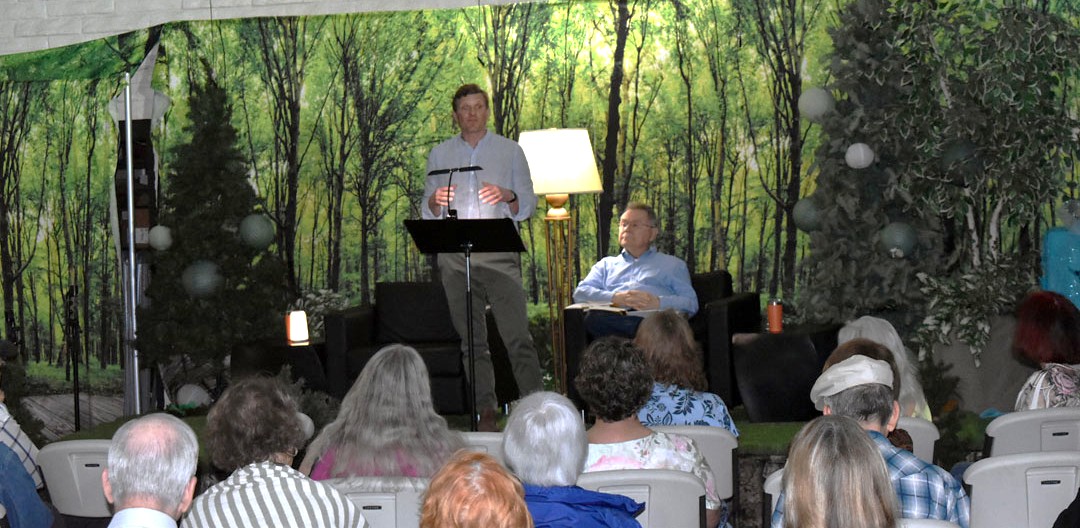
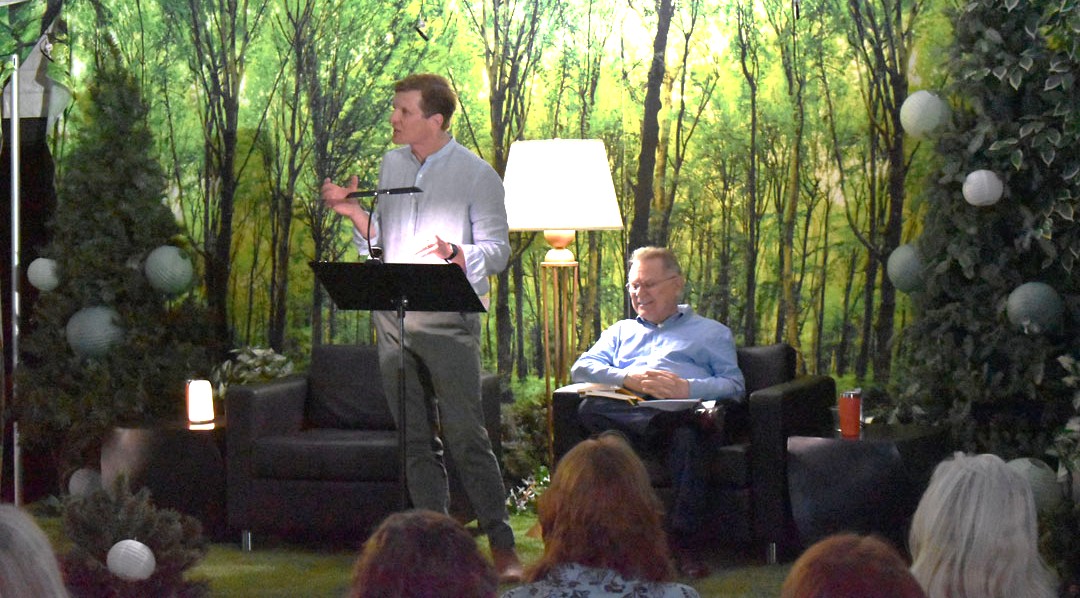
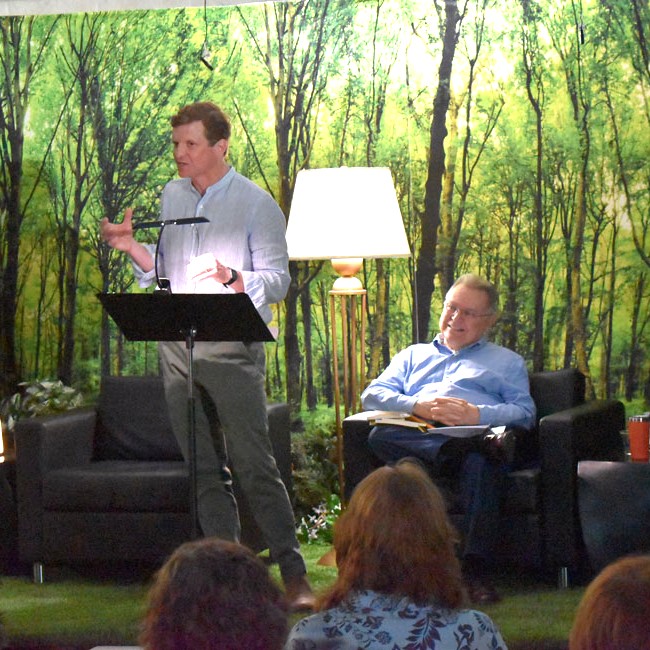
The event opened with a thoughtful and engaging panel conversation featuring Alberto Ríos, Arizona’s first Poet Laureate and an internationally recognized poet, essayist, and storyteller. Ríos is known for writing that reveals the extraordinary beauty of ordinary life, often drawing from his experiences growing up along the U.S.–Mexico border and from the cultural richness of the Southwest. His reflections during the panel centered on poetry as an act of attention—an art that teaches us to notice what might otherwise pass us by.
He spoke about how poetry helps us rediscover the significance of everyday moments: a conversation between friends, the echo of memory, the quiet rhythms of daily life. In poetry, the ordinary becomes luminous. Each person carries stories that deserve to be told, and poetry provides the language through which those stories can be shared and honored.
This perspective set a powerful tone for the day-long retreat that followed.
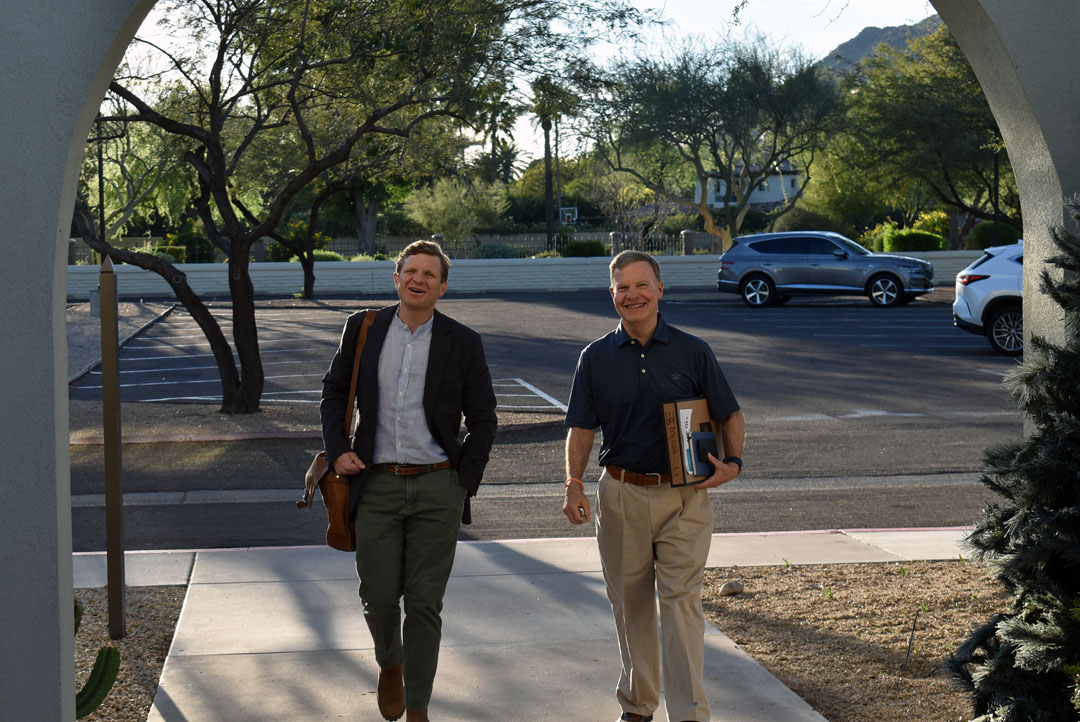
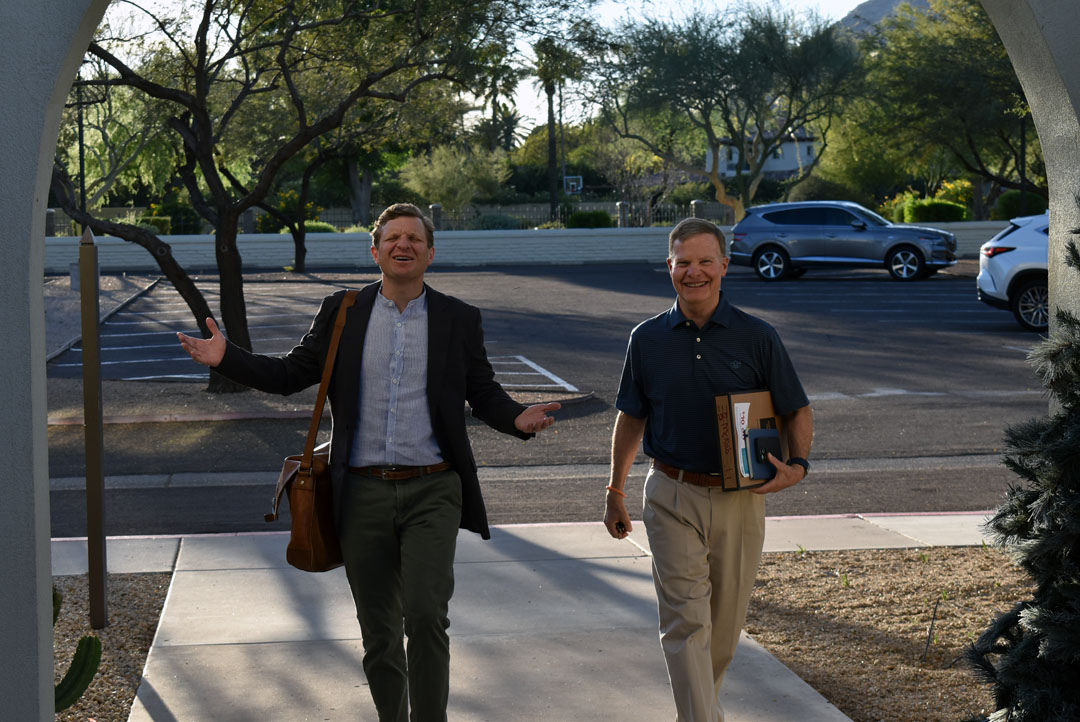
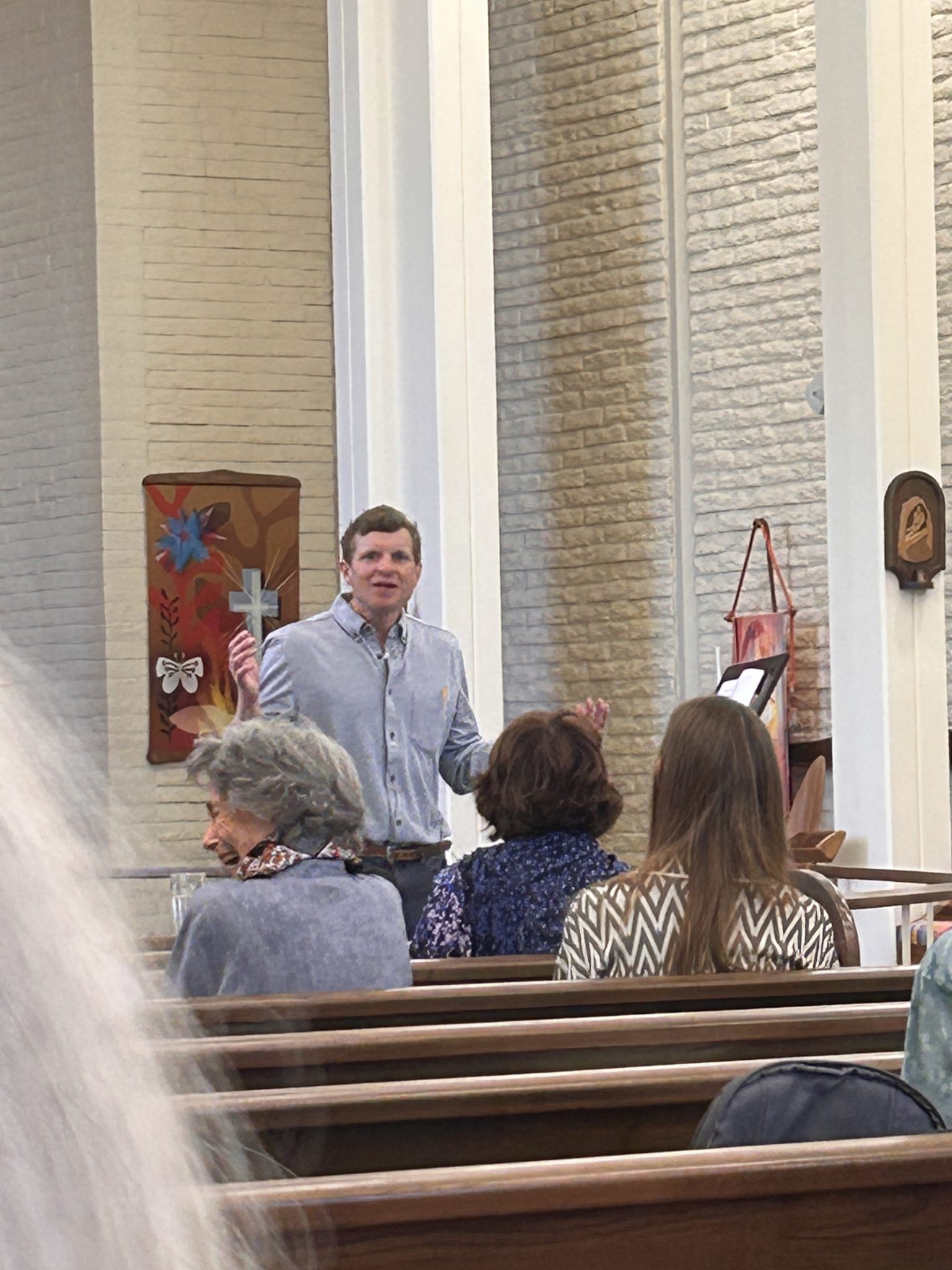
Rev. Travis Helms guided participants through an exploration of what it means to practice attention—not simply as intellectual exercise, but as a spiritual discipline. Poetry invites us to slow down. In a culture that so often urges us toward speed and constant motion, poems gently remind us that there is wisdom in stillness.
When we pause long enough to truly listen—to language, to silence, to our own interior responses—we begin to notice something subtle yet profound. Words can open doors. A line of poetry might awaken a feeling we had forgotten, reveal a truth we had not yet named, or offer a new way of seeing what has always been there.
Sometimes poetry grants us permission to be idle in the most meaningful sense: to sit with our thoughts, to linger with an image, to contemplate the small details surrounding us. A shift in light, a remembered voice, the rhythm of breath—these moments become gateways into deeper awareness.
And in that quiet attention, something begins to open.
This is the spiritual dimension of wonder. It does not arrive with spectacle. Rather, it emerges gently when we allow ourselves to notice, to listen, and to remain present.
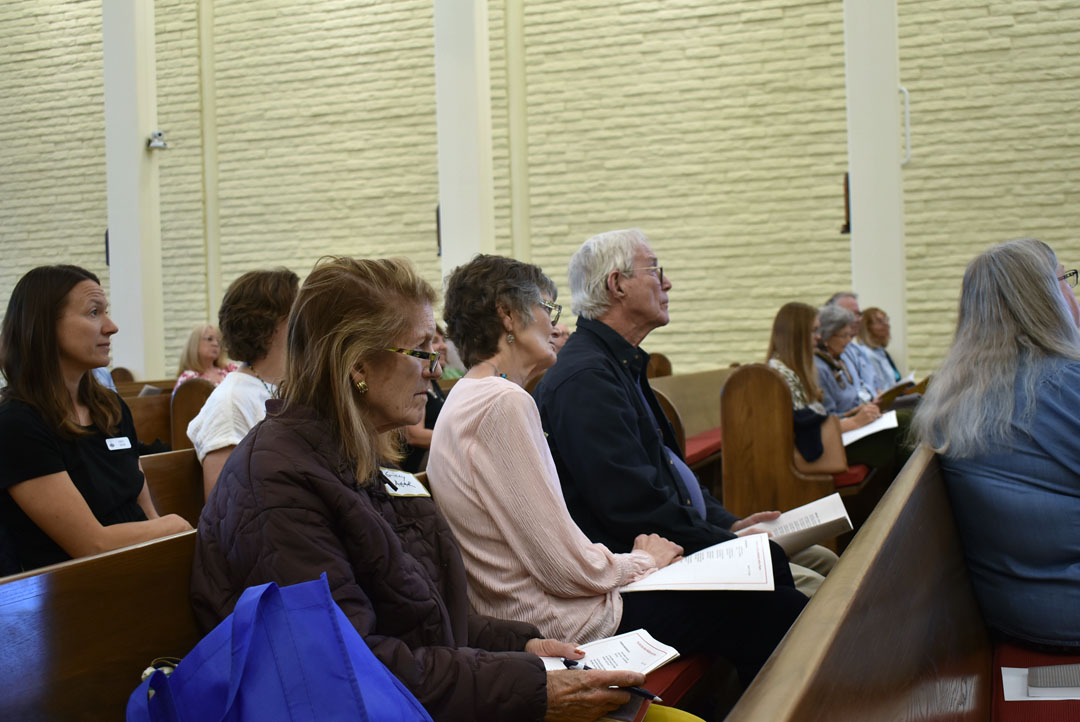
Throughout the weekend, poetry became a shared experience of listening—listening not only to the poet’s words but also to the echoes those words stirred within each of us. The pauses between lines, the resonance of images, the emotional recognition that occurs when language touches something true in the heart of it created a space where reflection and connection could unfold.
During our Saturday retreat, Rev. Travis Helms guided participants to explore the ways we might each connect with our own poetic imagination—a capacity to encounter and feel “wonder” through contemplation of nature, personal experiences, and sacred texts. He illuminated how engaging this imagination can draw us into fresh dimensions of our relationship with God—or with the Divine, or The Other—whichever name we use.
A particularly meaningful component of the day was the opportunity to practice offering our full attention for a span of time: whether to an object or creature that called to us, or to a personal thought or experience that felt alive. Participants were then invited to translate that focused attention into words, and later, to allow those words to unfold into poetry. This practice was a vivid demonstration of how attentive presence can transform ordinary encounters into profound creative and spiritual expressions.
Throughout the retreat, Helms skillfully drew upon a curated collection of significant poems printed in the program booklet. He read these aloud, inviting us not only to listen but to pay careful attention as he unpacked their layers, revealing the subtle ways in which language illuminates’ insight, wonder, and devotion. This thoughtful integration of reading, reflection, and creation deepened our understanding of poetry as a spiritual practice, reminding us that wonder is both cultivated and discovered when we slow down, listen, and give our hearts permission to dwell in the richness of the present moment.
Perhaps that is the gift poetry offers us most: the reminder that meaning often reveals itself quietly, when we are attentive enough to receive it.
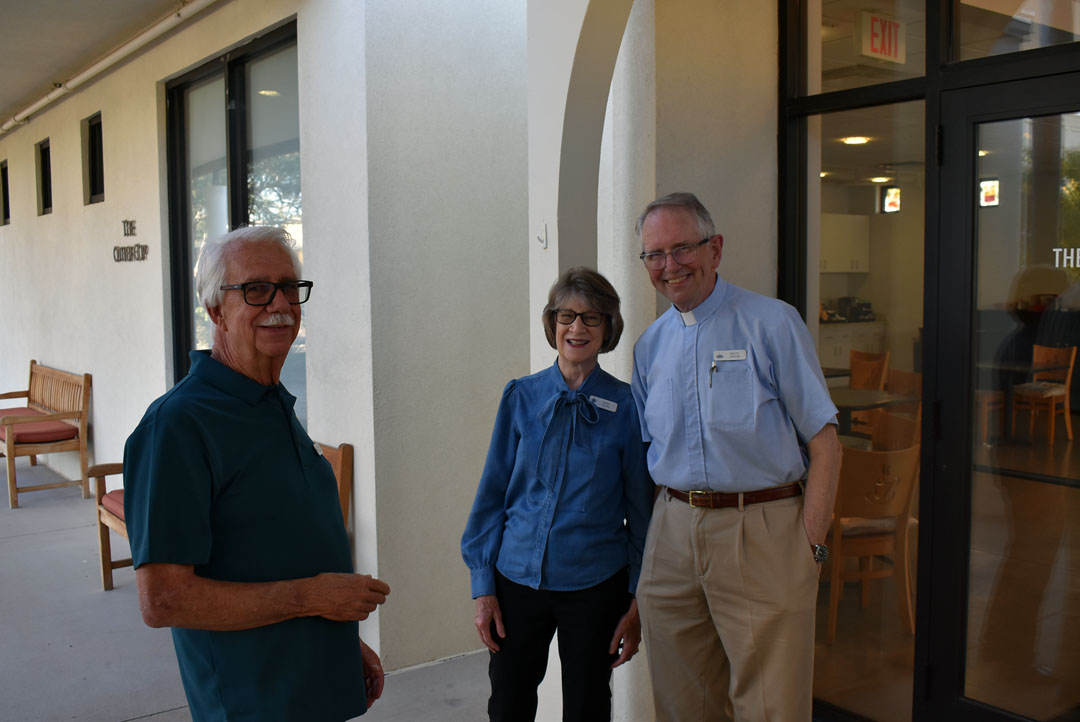
We would also like to extend heartfelt gratitude to the Contemplative Life Team who helped bring this beautiful gathering to life: Mary Stone, Ann Hott, Diane Neal, and Rev. Bruce McNab. Their care, vision, and dedication made the evening possible.
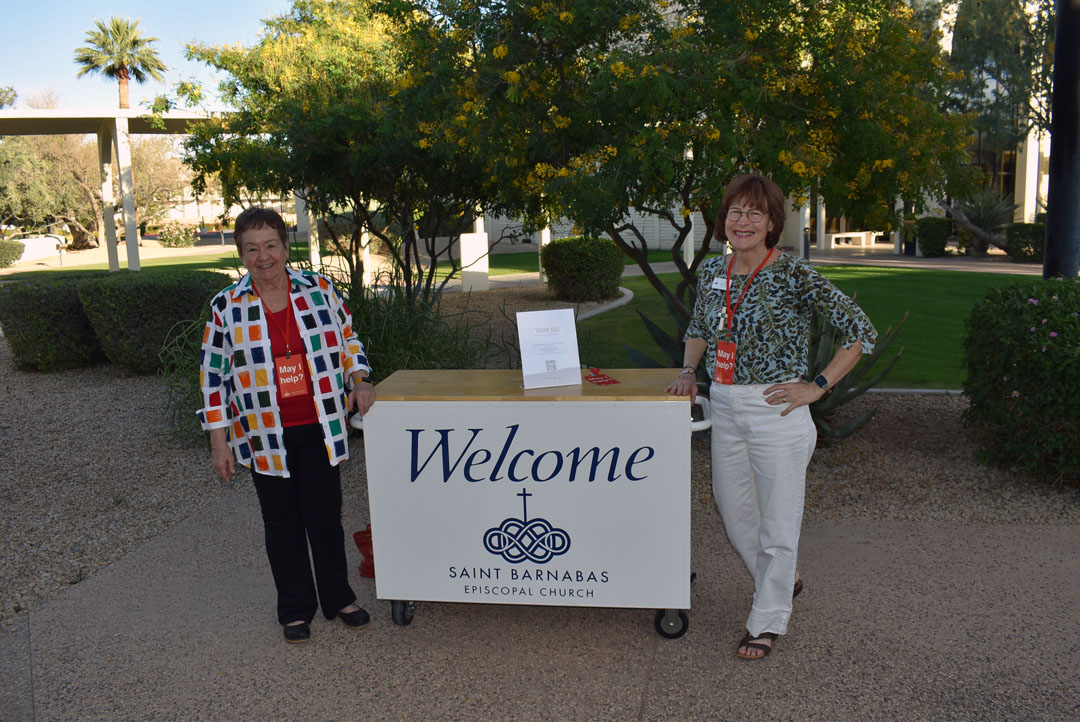
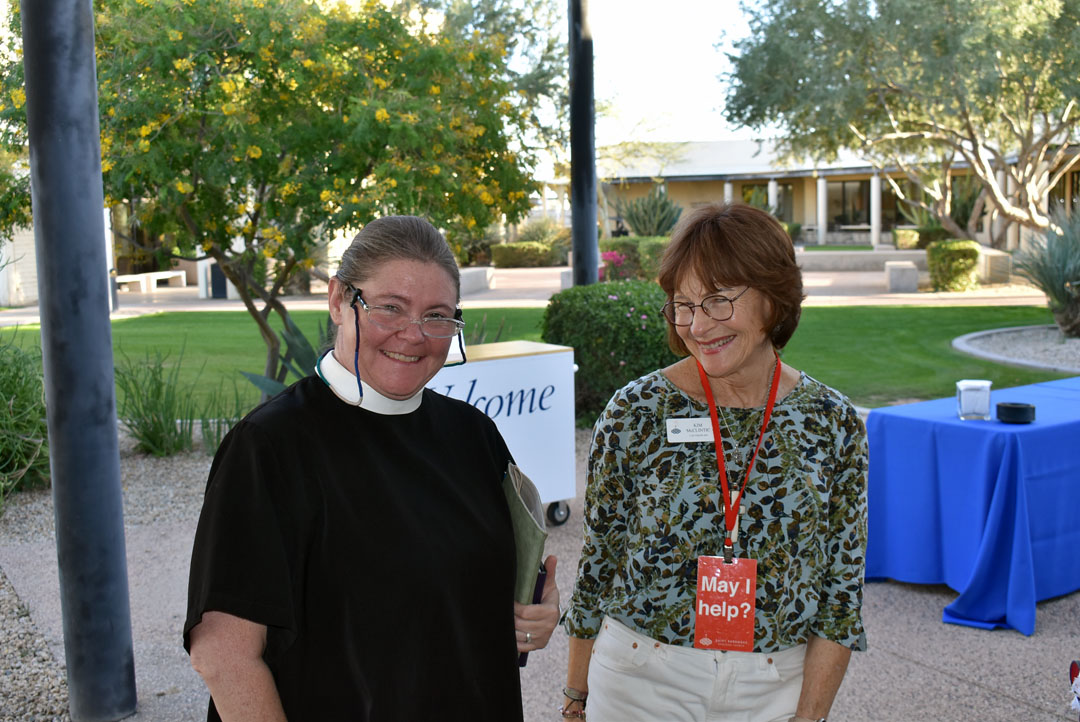
And most importantly—thank you to YOU. Your presence, your attentive listening, especially our generous donations, and the many volunteers who helped support the event created the welcoming and reflective space that allowed this experience to flourish.
Together, we practiced the art of attention. And in doing so, we made space for wonder.
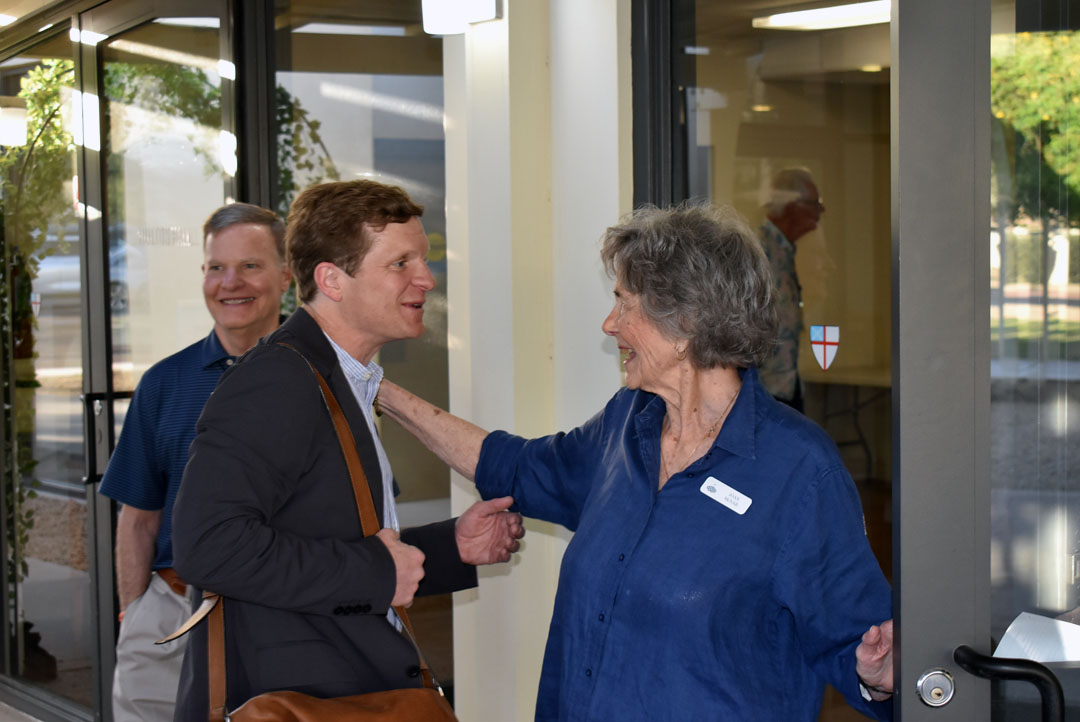
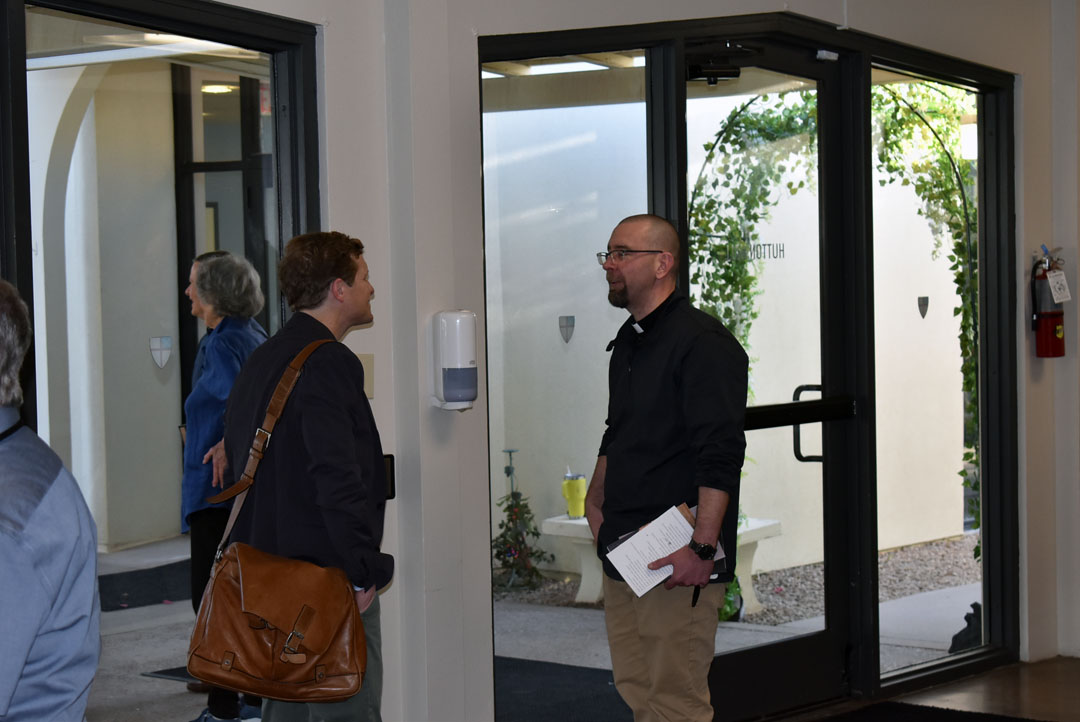
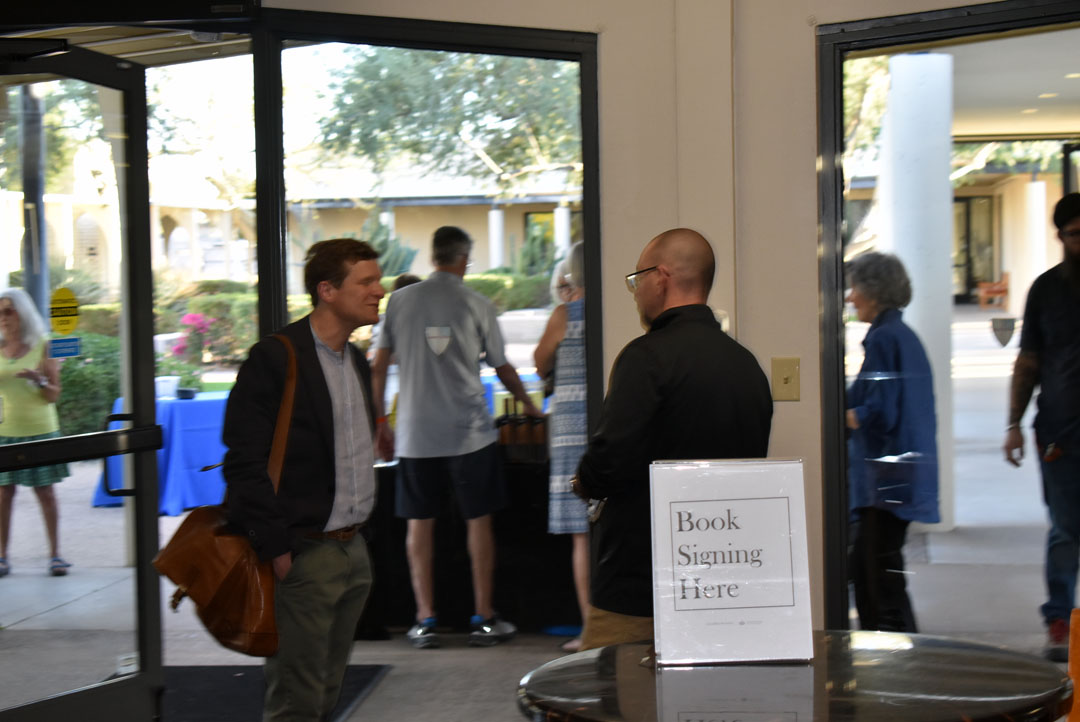
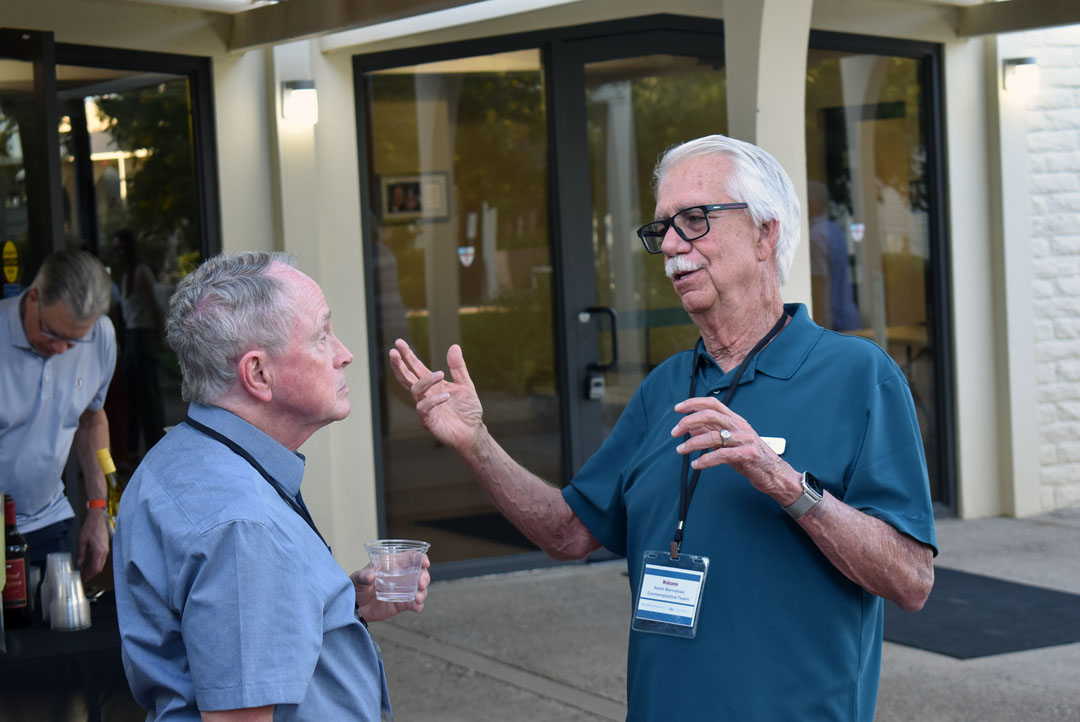
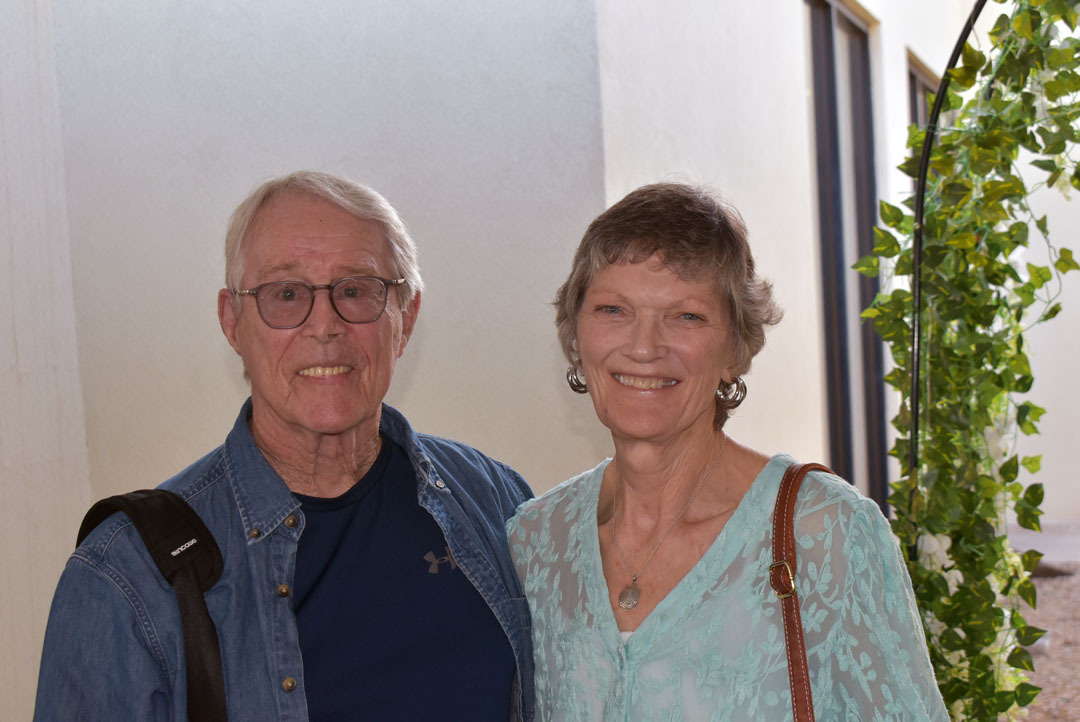
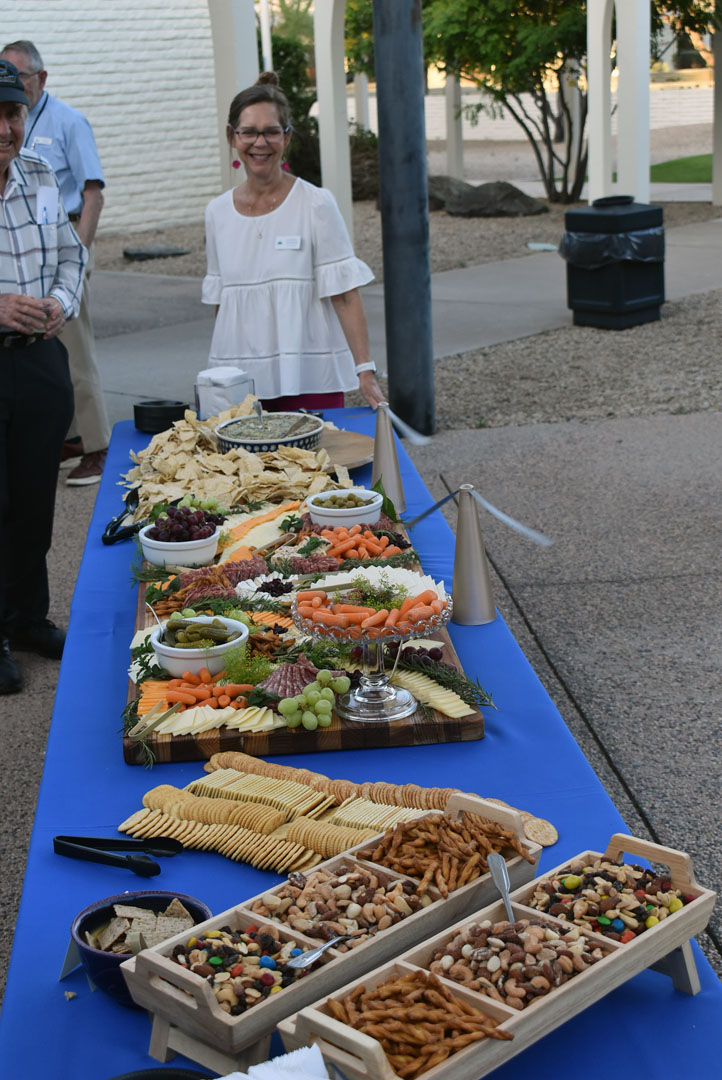
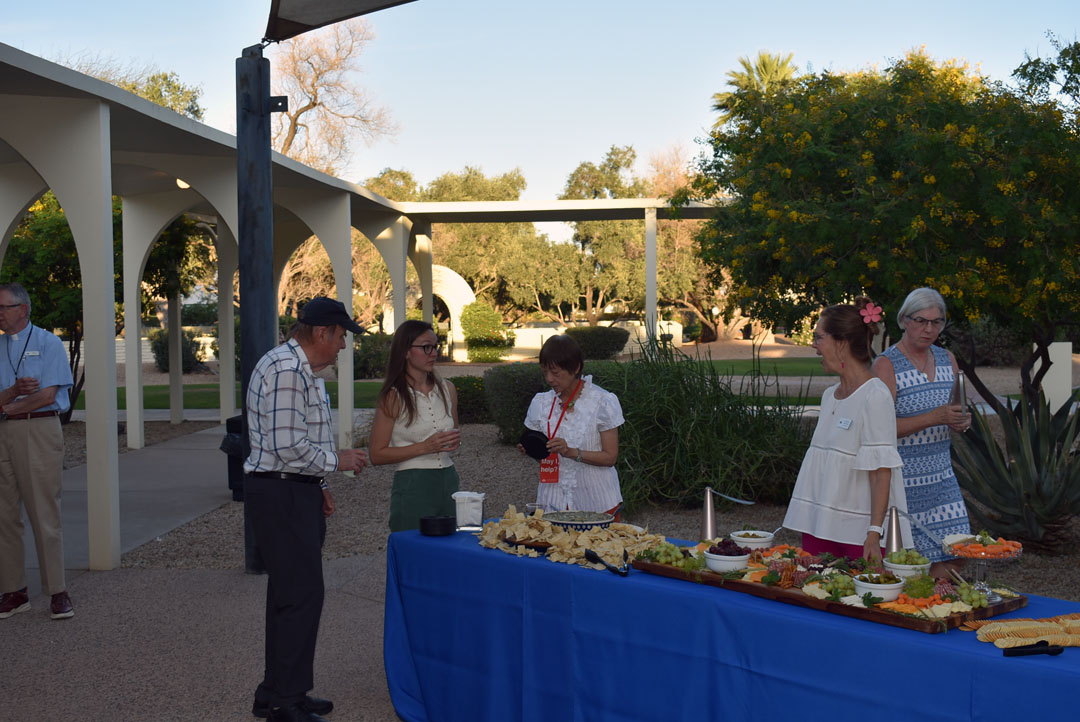
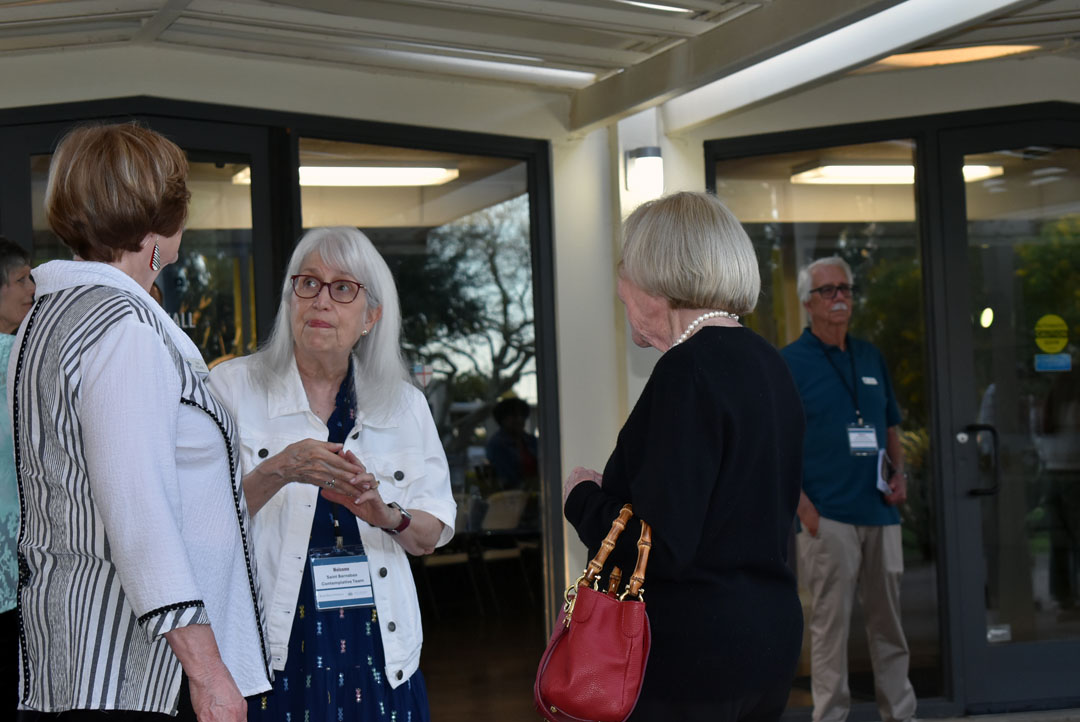
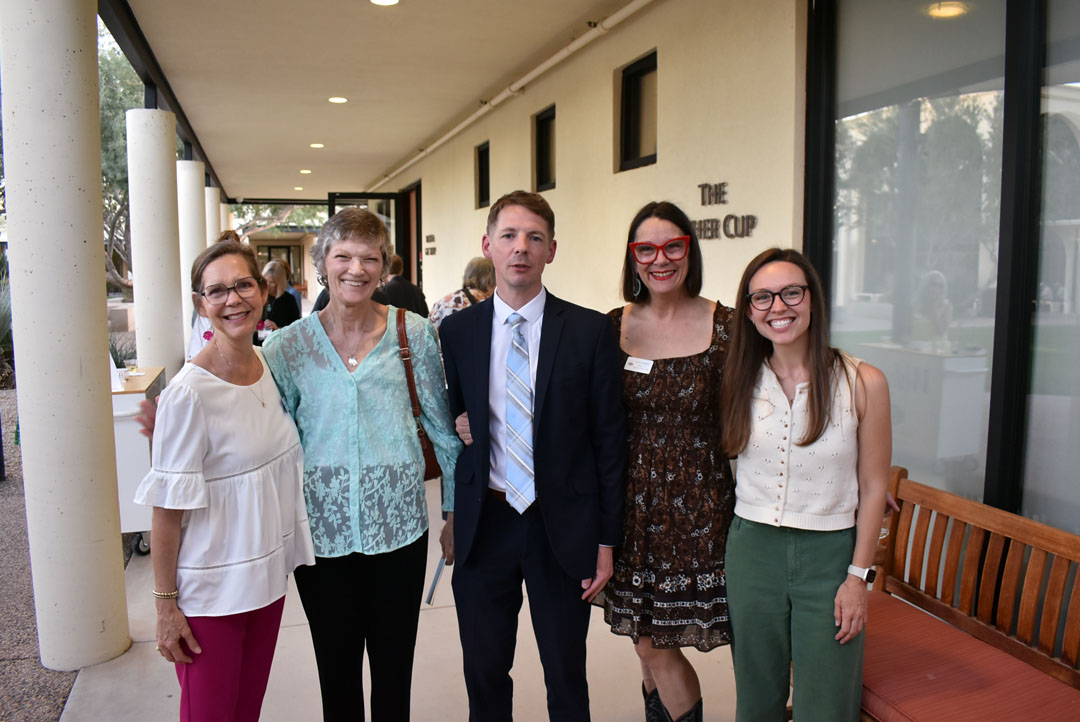
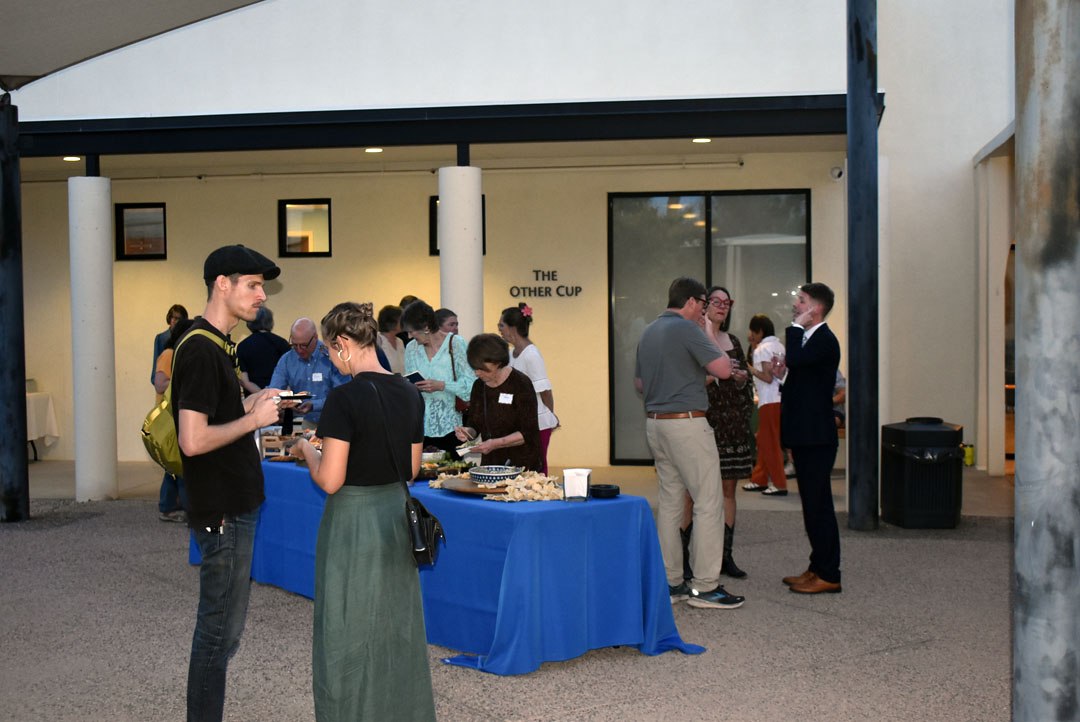
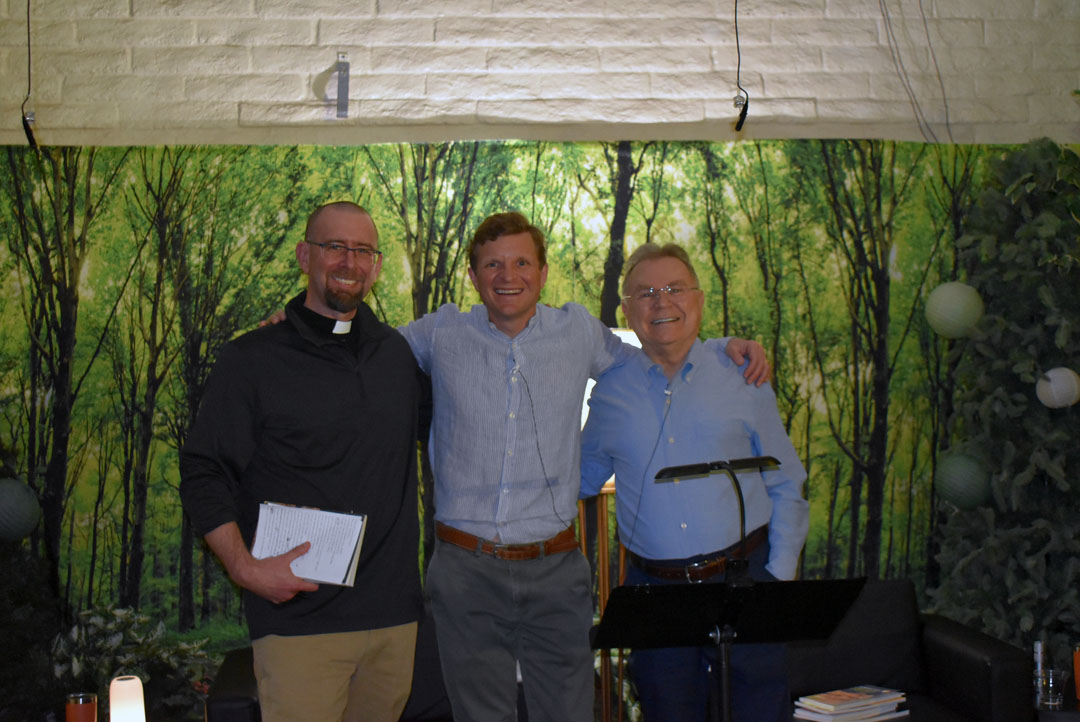
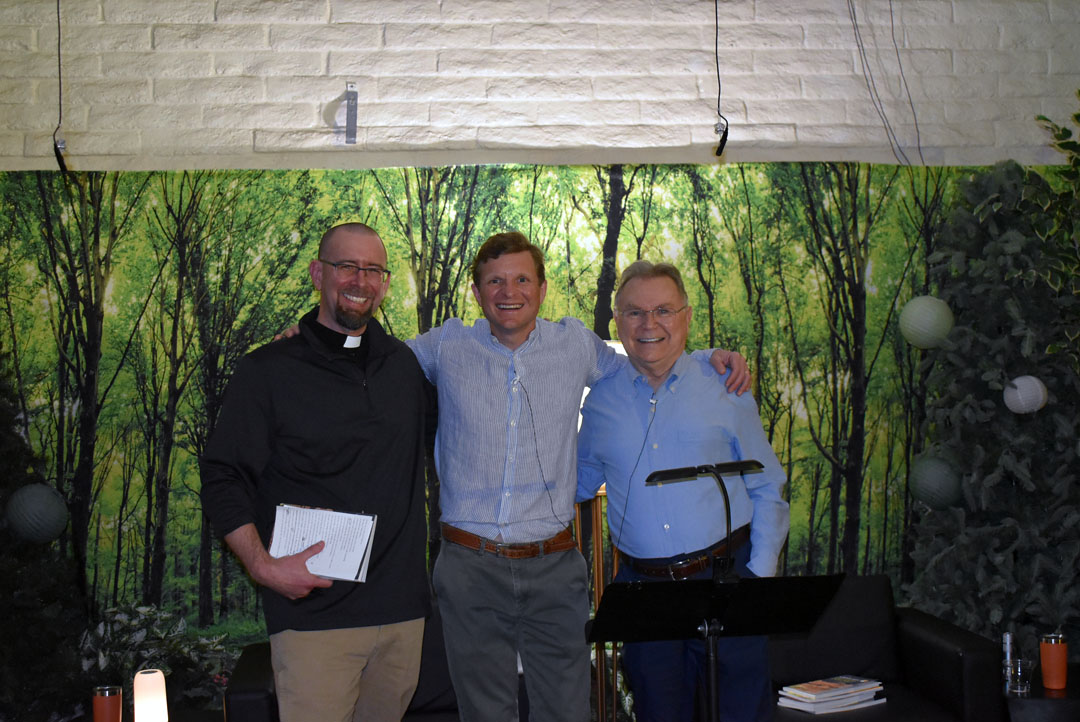
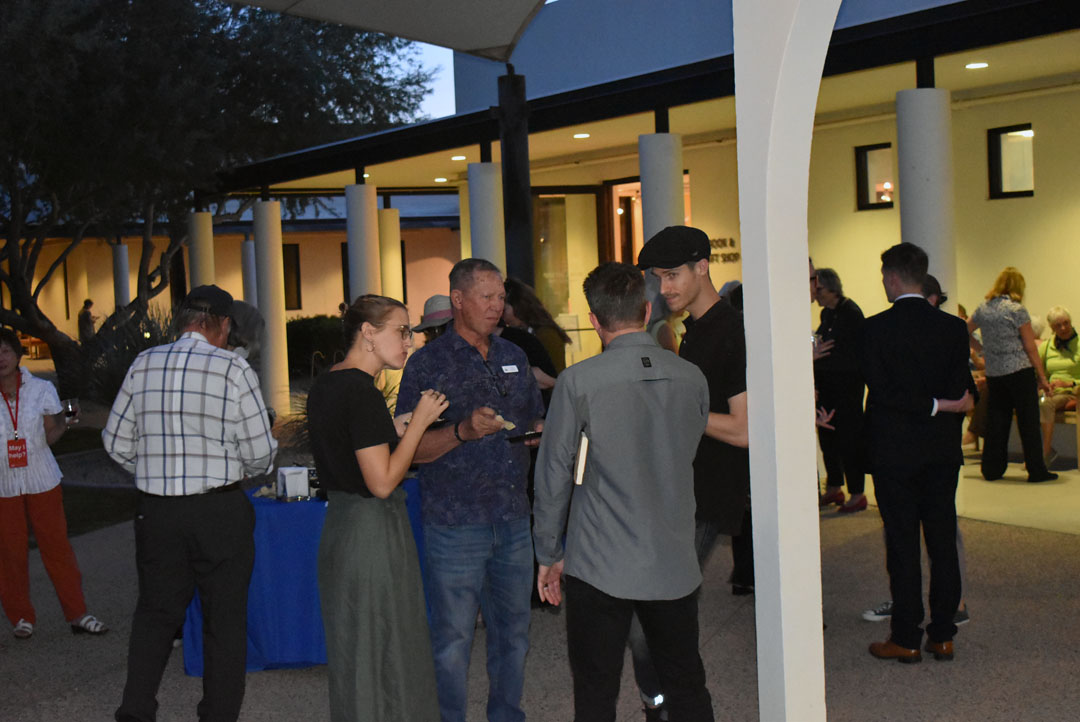
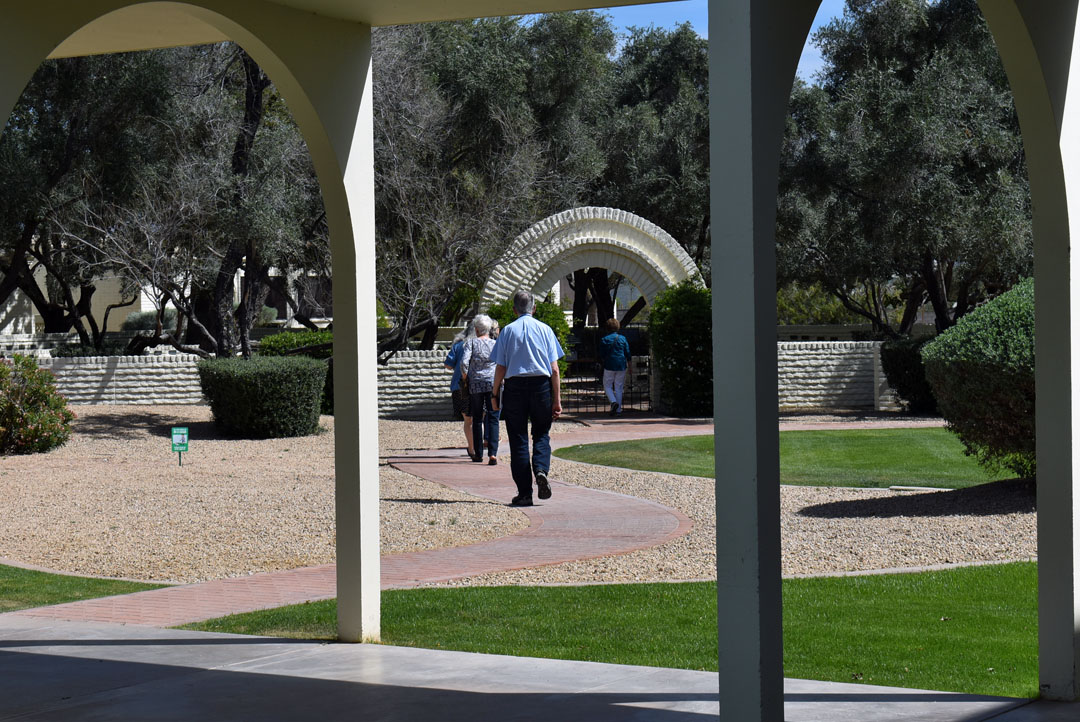
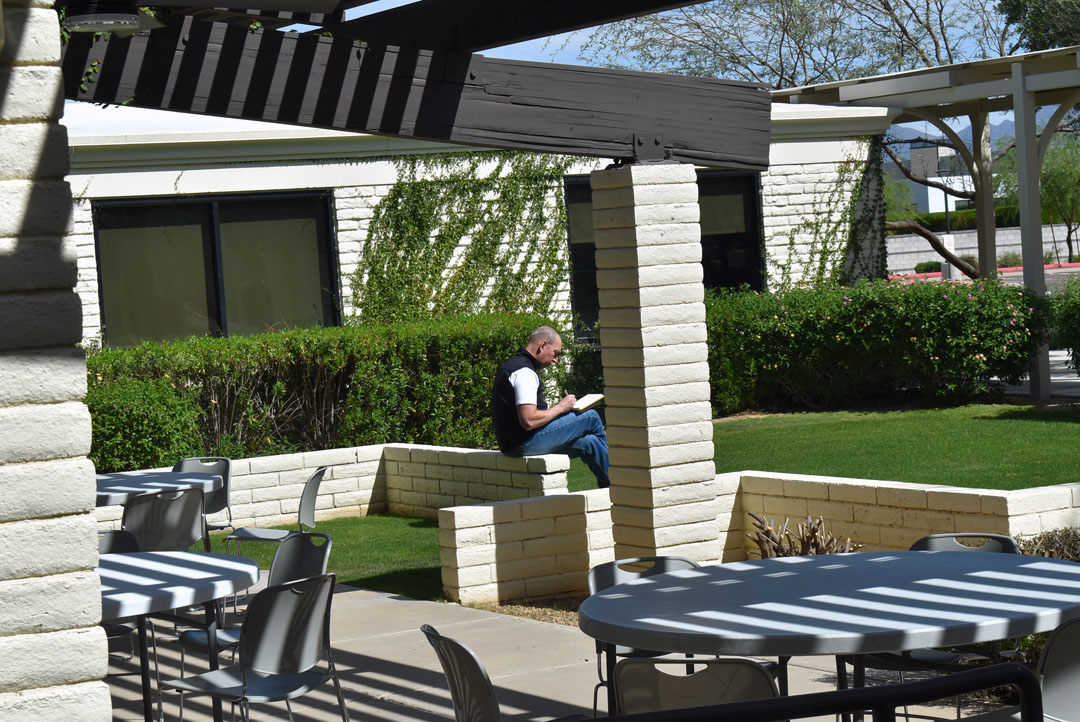
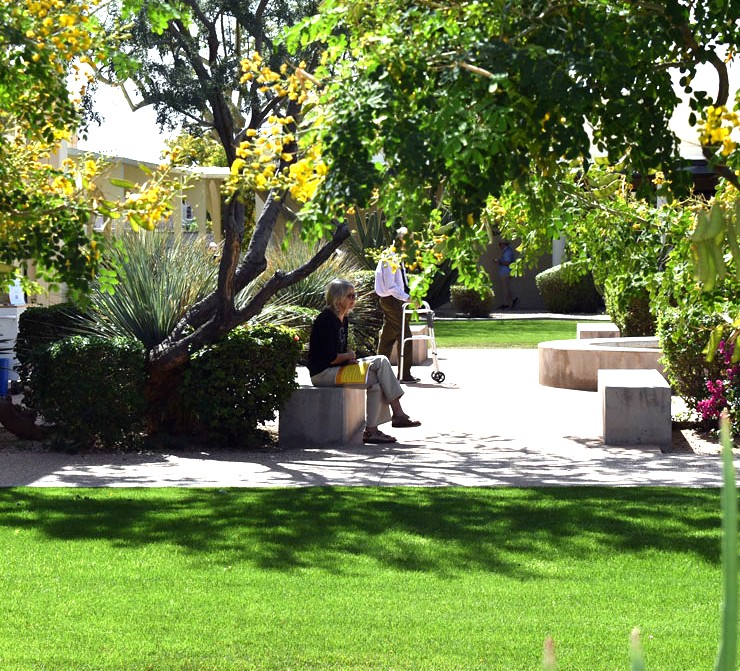
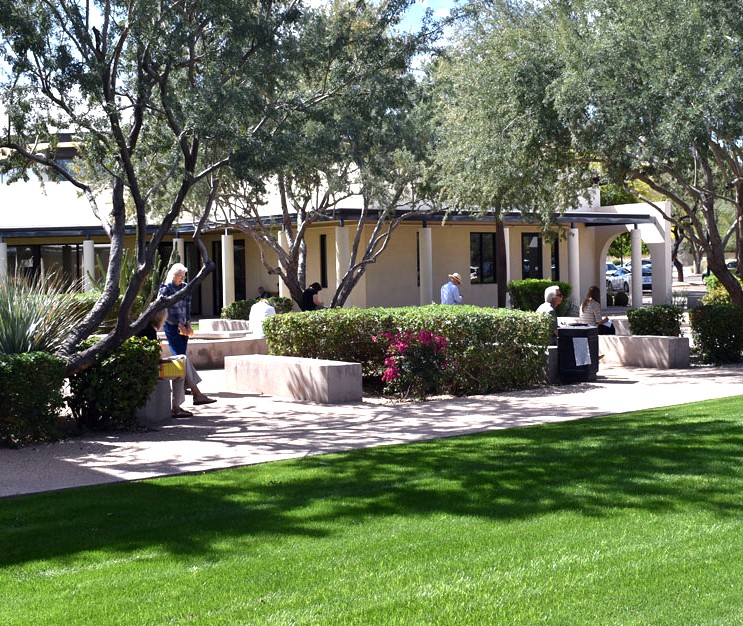
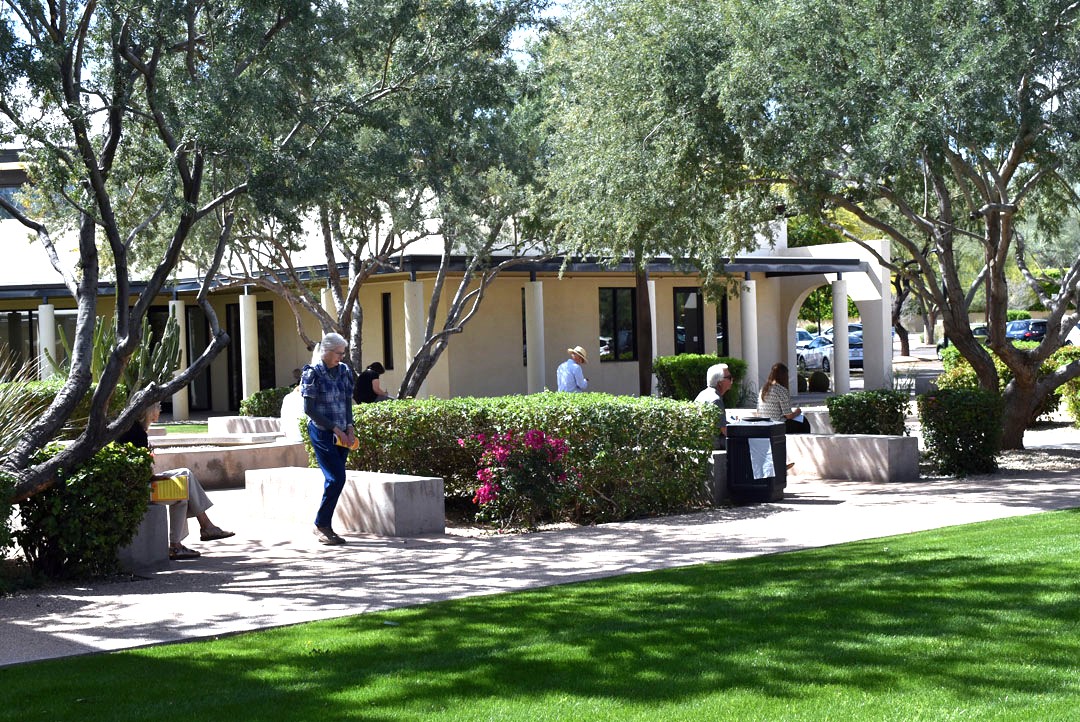
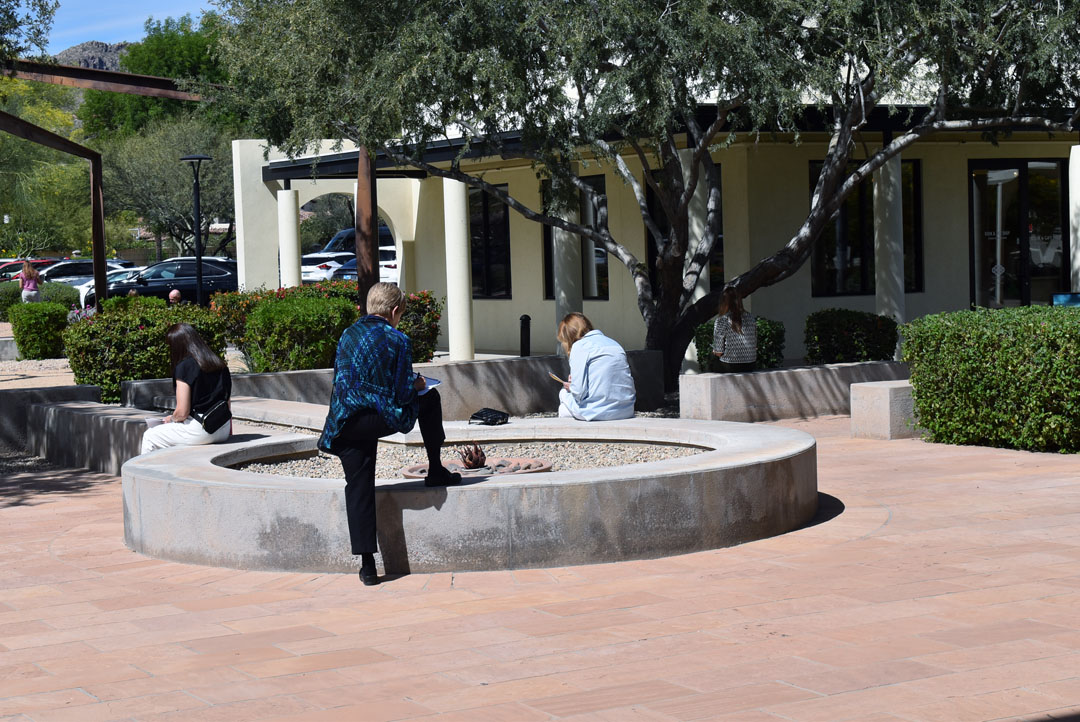
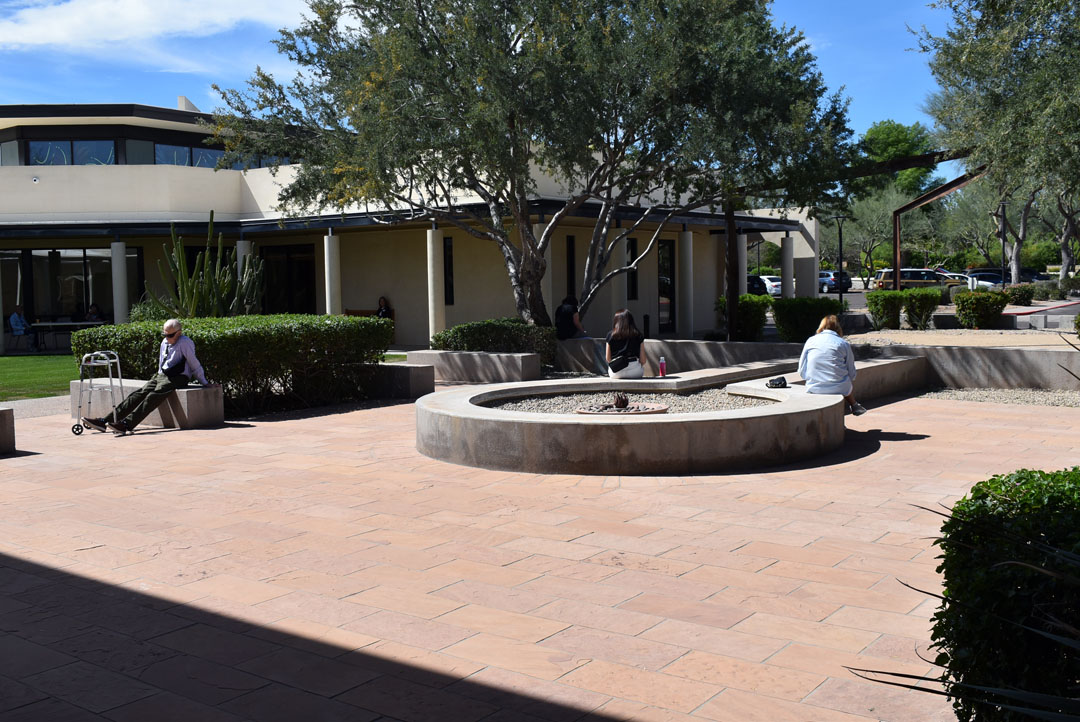
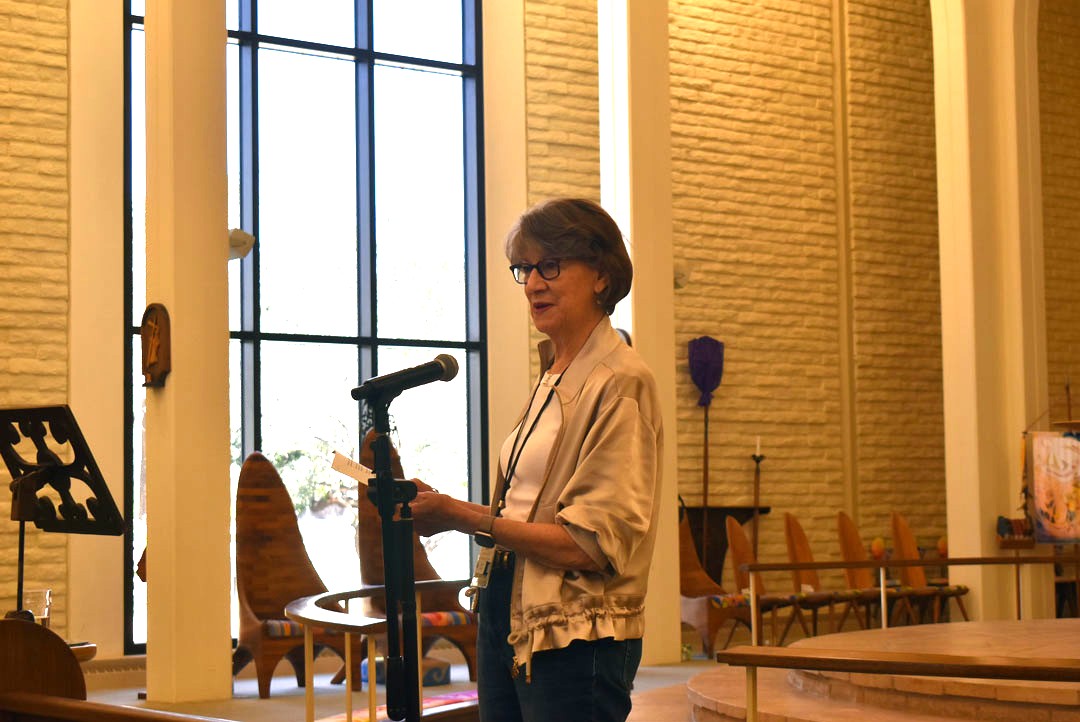
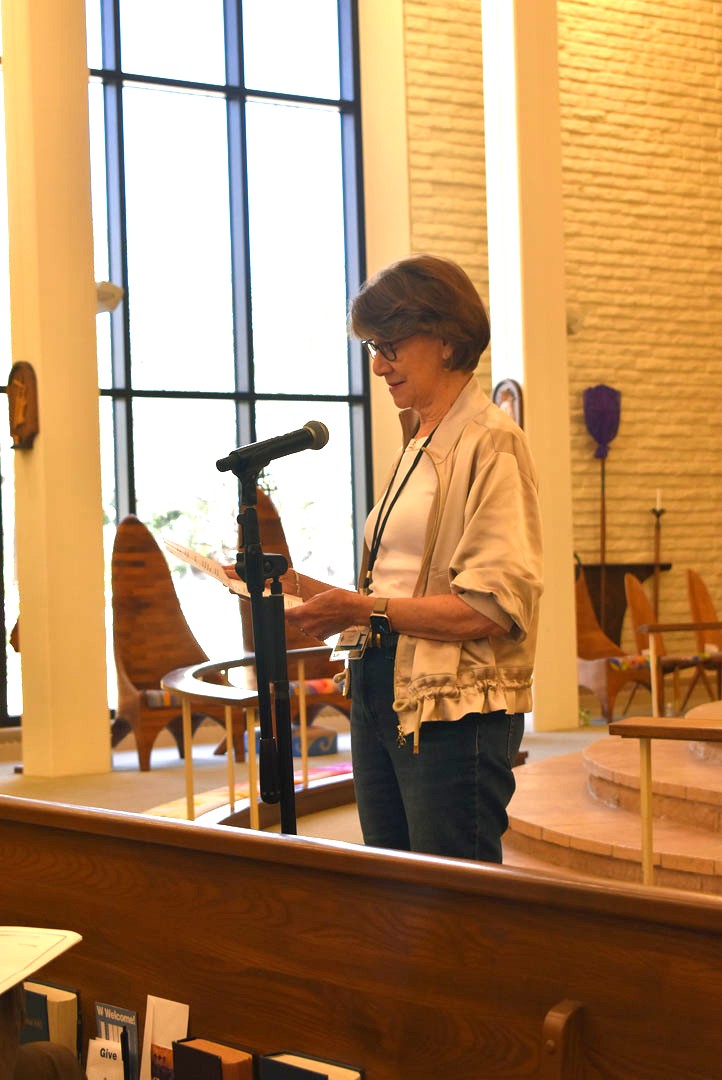
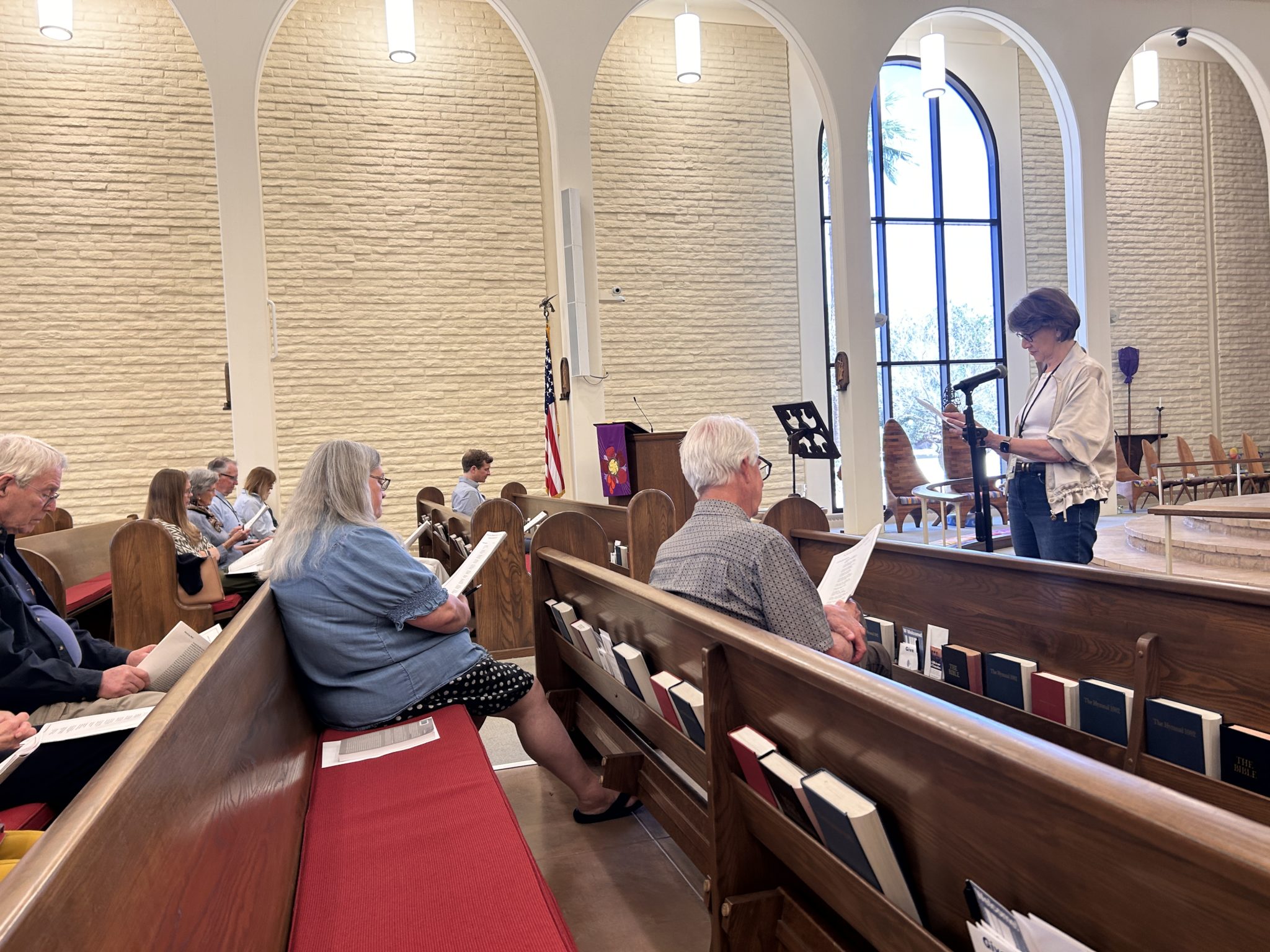
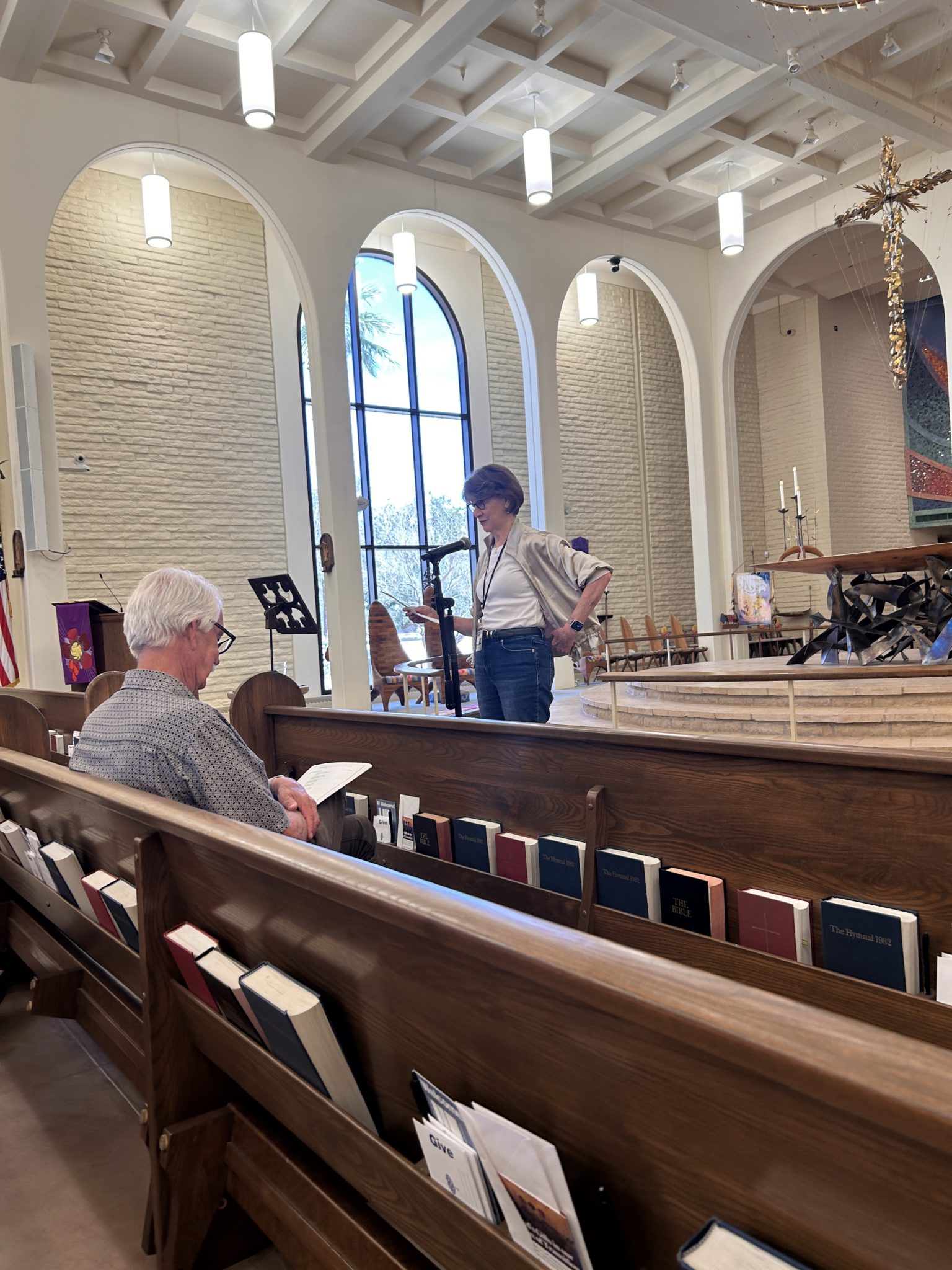
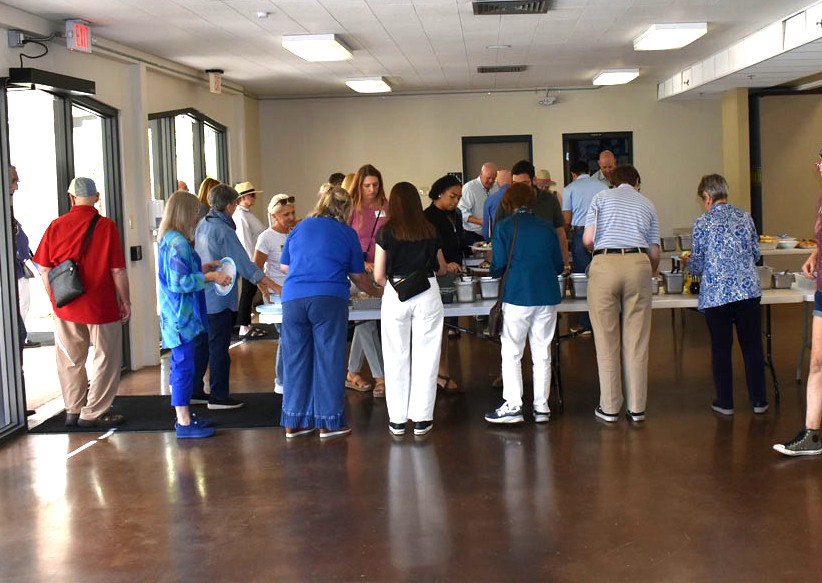
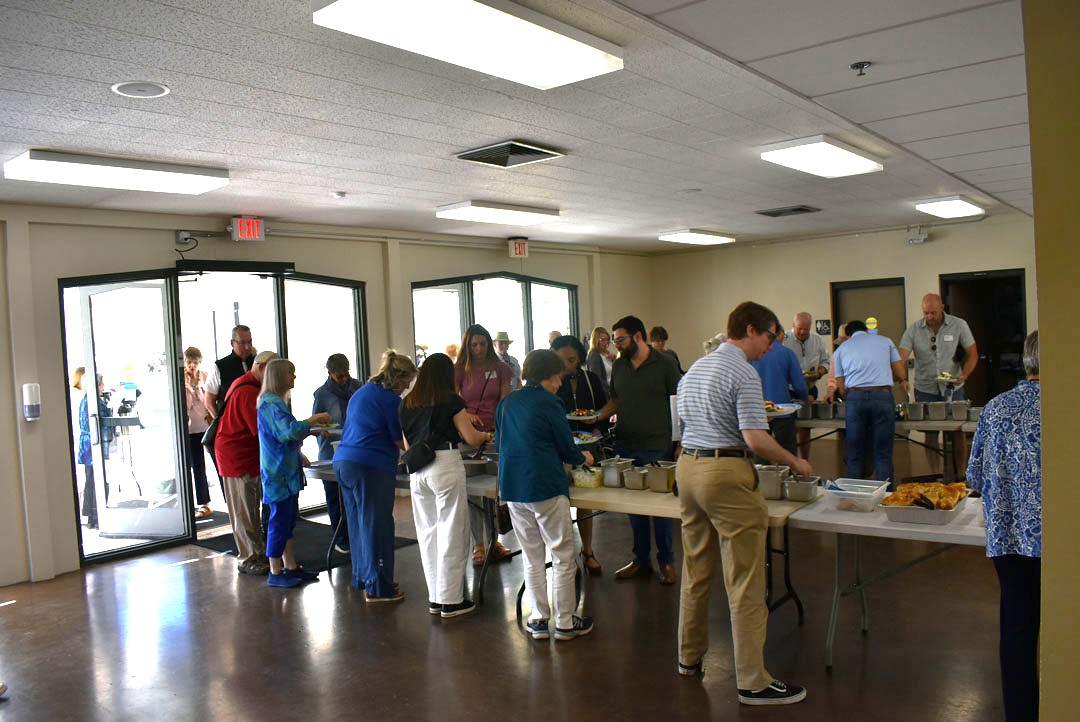
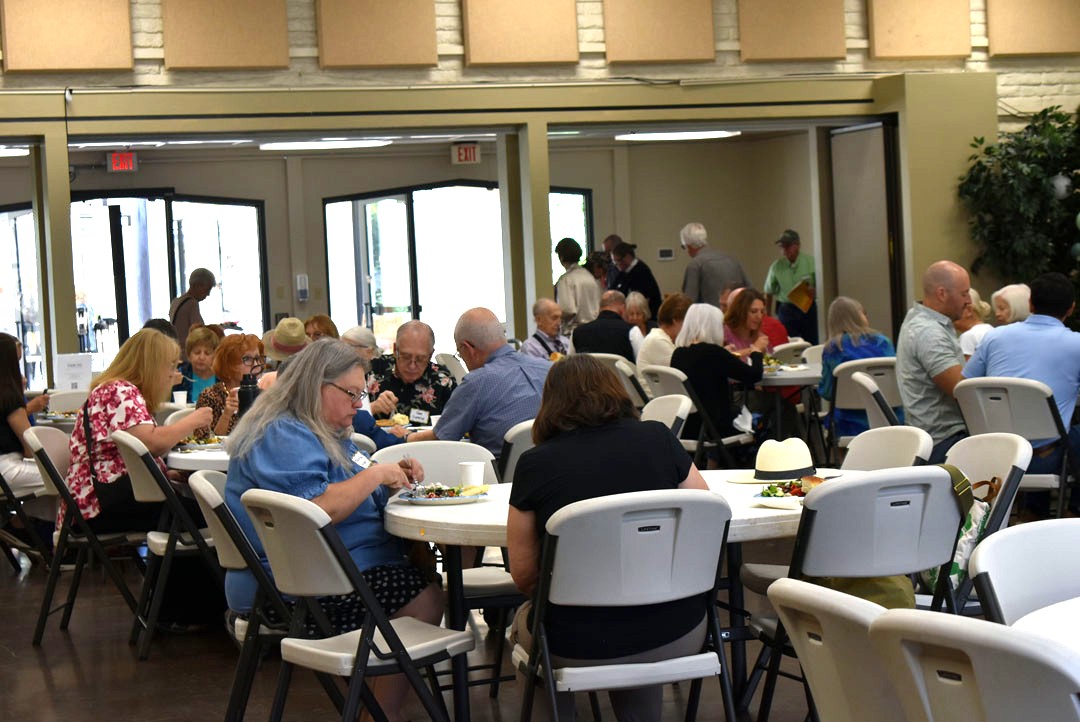
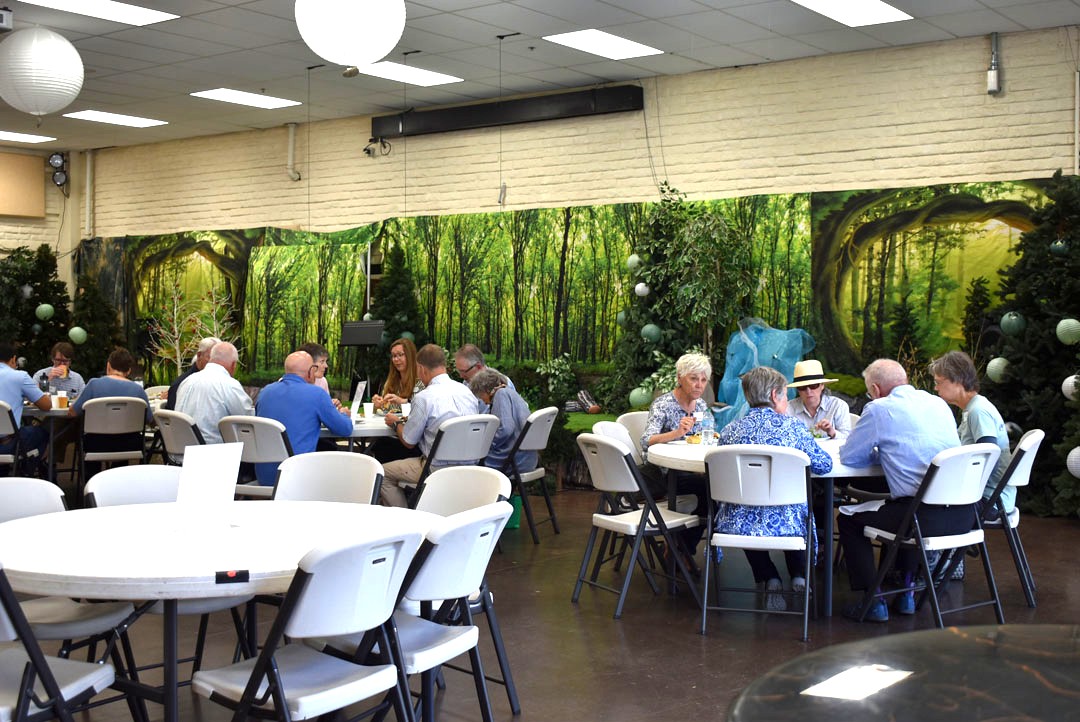
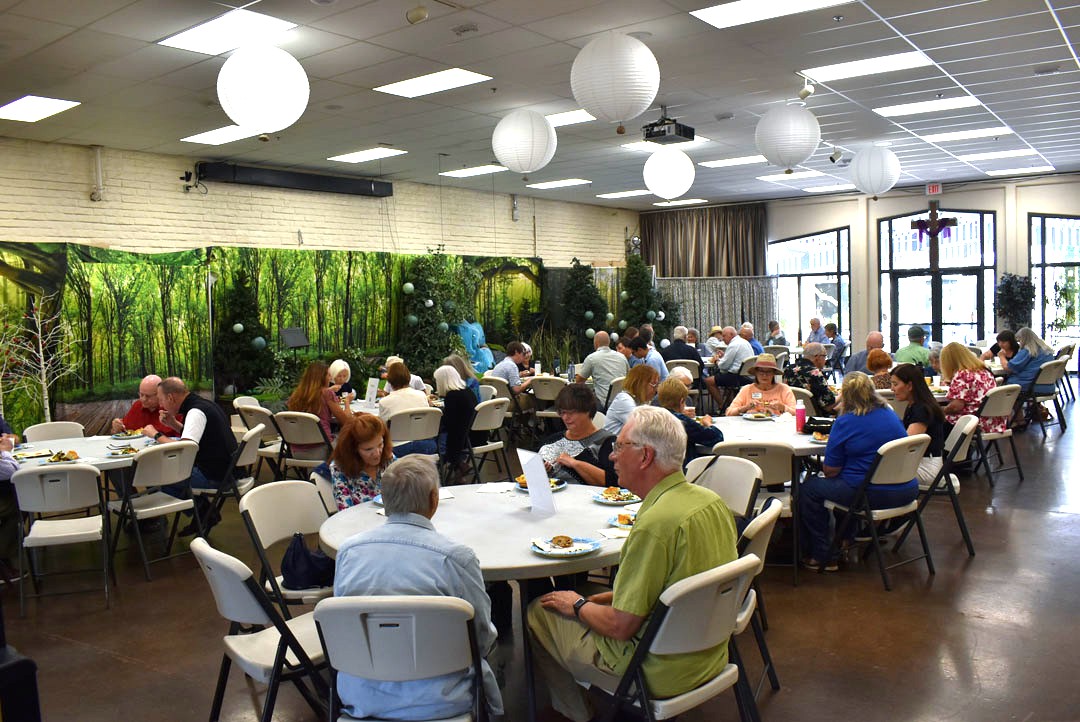
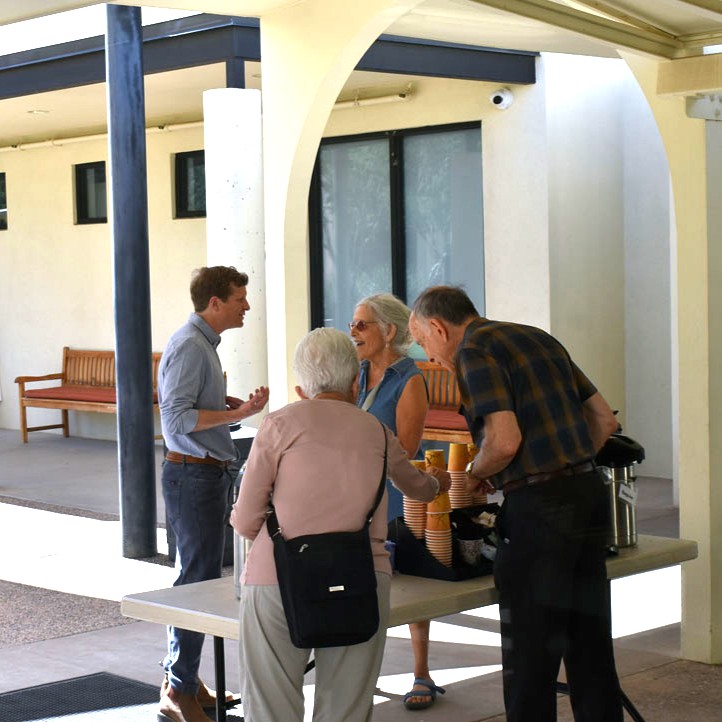
Click the gallery below for glimpses of moments from the event.